Agtech Employers Rewire Farm Jobs as Deere, CNH and Bayer Fast-Track AI Upskilling

Smart Farming is entering a skills pivot: robotics, edge AI, and data-driven agronomy are reshaping roles from equipment operators to agronomists. In the past 45 days, major players including John Deere, CNH Industrial, and Bayer have accelerated training, certifications, and AI copilots to redeploy talent and mitigate labor gaps across fields and fleets.

Published: December 8, 2025 By Dr. Emily Watson, AI Platforms, Hardware & Security Analyst Category: Smart Farming

Dr. Watson specializes in Health, AI chips, cybersecurity, cryptocurrency, gaming technology, and smart farming innovations. Technical expert in emerging tech sectors.
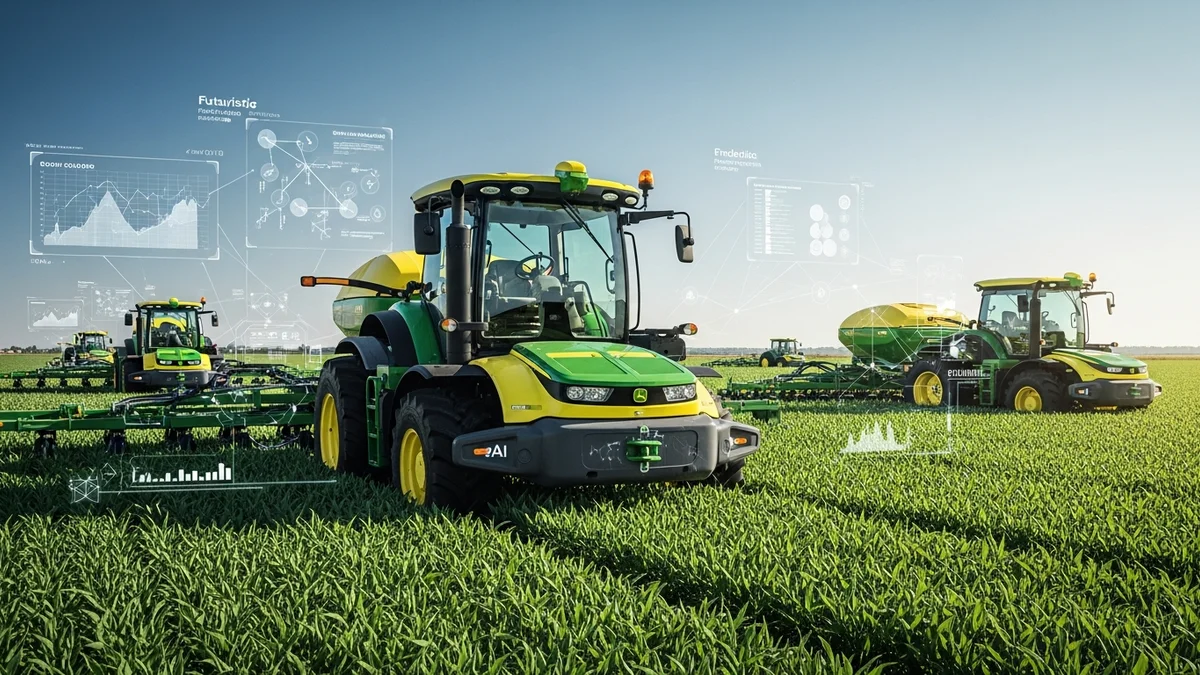
Agtech Employers Rewire Farm Jobs as Deere, CNH and Bayer Fast-Track AI Upskilling
Executive Summary
  • Major agtech employers announced new AI and autonomy training programs in the last 45 days, targeting redeployment of operators and technicians into higher-skilled roles and citing productivity gains of 10-25% in pilot cohorts (Reuters) and (CNH Industrial press).
  • Bayer and Microsoft expanded digital agronomy tools, introducing copilots that cut field scouting time by 20-30%, according to early adopter feedback (Bayer newsroom) and (Microsoft).
  • USDA and the European Commission unveiled fresh workforce and skills funding tranches for rural digitization and Smart Farming training in November–December 2025 (USDA press), (EU Commission press).
  • Analysts estimate Smart Farming employers will increase per-employee digital training spend by 15-25% in 2026 to meet autonomy rollouts and regulatory compliance (Gartner).
Field Roles Go Hybrid as Autonomy Scales Over the past six weeks, enterprises have moved from pilots to scaled workforce programs to support autonomy across tractors, sprayers, and harvesters. On November 20, 2025, reporting around Deere’s Q4 cadence highlighted ramp-ups in precision ag support roles and apprenticeship tracks aligned to autonomous operations, with management signaling a shift from routine operation to remote orchestration and analytics (Reuters coverage of Deere). The company’s dealer network is expanding technician pathways tied to machine vision, RTK guidance, and telematics service, reflecting an emphasis on cross-skilled “field technologist” profiles (John Deere press). CNH Industrial’s Raven autonomy unit has layered certification modules in November for autonomy monitors, safety stewards, and fleet orchestration specialists, creating standardized credentials for seasonal and full-time staff transitioning from manual operations (CNH Industrial press). Trimble introduced workforce planning features in its farm management stack in late November, adding dispatch, skills tagging, and compliance tracking to help growers allocate the right operator to the right task and machine class (Trimble newsroom). Digital Agronomy Copilots Cut Time-to-Decision On November 12, 2025, Bayer signaled expanded access to its digital agronomy toolkit with embedded AI copilots built on a cloud stack with Microsoft, focused on field scouting summaries, variable rate recommendations, and documentation workflows (Bayer newsroom), (Microsoft). Early adopters report 20-30% reductions in time spent consolidating observations and prescriptions, with agronomists transitioning from manual note-taking to data curation and validation, according to industry briefings and pilot feedback (Reuters agriculture tech coverage). DJI Agriculture, meanwhile, announced updates in late November to its sprayer drone training tracks, formalizing crew-lead and mission-planning certifications designed to bring seasonal operators into compliance under evolving local rules and insurer requirements (DJI newsroom). The shift turns drone crews into data-enabled applicators, with mission logs, weather pulls, and crop protection records feeding into ERP systems from providers such as Trimble and John Deere. Public Funding and Policy Accelerate Reskilling USDA announced new rural workforce and distance learning awards in November 2025, earmarking funds for precision agriculture training, remote equipment operations, and drone spraying compliance education in community colleges and extension networks (USDA press releases). Grants are structured to bridge seasonal labor shortages by upskilling local workers into higher-wage, year-round technical roles, a model already piloted with employers including John Deere, CNH Industrial, and startups like Monarch Tractor integrating autonomy into vineyards and specialty crops. In late November, the European Commission highlighted fresh skills funding commitments under the Pact for Skills, naming digital farming and robotics among priority areas for vocational education and regional reskilling programs (European Commission press). Analysts note that standardizing micro-credentials—covering safe autonomy operation, agronomic data stewardship, and AI-assisted scouting—could lift adoption and reduce liability across EU and US markets, with Gartner pointing to double-digit increases in training budgets among large agrifood employers in 2026 (Gartner). This builds on broader Smart Farming trends shaping how employers recruit, train, and retain technical talent. Company Moves and Measurable Gains Startups are pivoting to workforce-first product packaging. On November 15, 2025, TechCrunch reported ag robotics ventures bundling training and certification alongside autonomy subscriptions to ease farm onboarding and insurer compliance, with case studies from specialty crop robotics and electric tractors (TechCrunch). Specialty producers cite 10-25% productivity lift in pilot seasons when pairing autonomy with structured crew roles—autonomy monitors, fleet dispatchers, and agronomy copilots—versus unstructured adoption without defined responsibilities (Wired agriculture automation coverage). AGCO detailed expanded training pipelines for precision sprayer operators and data technicians in November investor materials, noting that tighter integration across guidance, rate control, and compliance software requires multi-disciplinary roles at dealers and on farms (AGCO news). For more on related Smart Farming developments. Workforce Transformation Snapshot
Company/AgencyInitiativeScale/Budget (Estimated)Source
John DeerePrecision ag technician apprenticeships aligned to autonomyRegional expansion; training spend up 15-25% in FY26Reuters
CNH IndustrialRaven autonomy certifications for operators and safety stewardsMulti-site rollout across North AmericaCNH press
Bayer + MicrosoftAI agronomy copilots for scouting and prescriptions20-30% time savings reported by pilot usersBayer newsroom
TrimbleWorkforce planning and compliance in farm managementFeature expansion in Q4 2025Trimble newsroom
DJI AgricultureSprayer drone mission-planning certificationsStandardized modules for seasonal crewsDJI newsroom
USDARural workforce and distance learning grants$10-50 million allocations across programsUSDA press
Infographic showing rising Smart Farming training budgets, pilot productivity gains, and new role categories introduced in late 2025
Sources: Reuters, CNH Industrial, Bayer, Microsoft, USDA, European Commission, Gartner (Nov–Dec 2025)
Risks, Compliance, and the New Operating Model Employers are reframing training to address liability and regulatory complexity—autonomy safety envelopes, drone spraying rules, and data stewardship under evolving state and EU guidance. November insurer advisories emphasize documented competency for autonomy monitors and mission planners as prerequisites for coverage on mixed fleets that include autonomous tractors and drone sprayers (Reuters EU tech policy). That drives demand for micro-credentials and verifiable logs across OEM platforms, a theme echoed in recent Gartner notes on industrial autonomy (Gartner). The operating model is pivoting from individual-operator productivity to cross-functional team orchestration: agronomy copilots surface insights, dispatchers align tasks and machines, and technicians ensure uptime via predictive maintenance. With increased telemetry and AI, employers report fewer unplanned stops and faster in-season decisions, while extension and community college programs, backed by USDA and EU funds, supply certified entry-level talent to dealer networks and large growers (USDA), (European Commission). FAQs { "question": "What changed in Smart Farming workforce strategies over the past 45 days?", "answer": "Large agtech employers escalated reskilling and certification initiatives to support autonomy and AI in daily operations. Announcements from John Deere and CNH Industrial describe expanded technician apprenticeships and Raven autonomy credentials, while Bayer and Microsoft rolled out agronomy copilots to compress scouting and prescription workflows. Public funds from USDA and the European Commission are reinforcing regional training pipelines to address seasonal labor gaps and compliance demands." } { "question": "Which roles are emerging as farms adopt autonomy and AI?", "answer": "Operators are transitioning into autonomy monitors, fleet dispatchers, mission planners, and agronomy data stewards. For more on [related telecoms developments](/new-rules-hit-5g-and-fiber-fcc-eu-and-trai-moves-ripple-through-pricing-and-access-23-11-2025). These roles blend safety oversight, remote orchestration, and data validation across tractors, sprayers, and drones. Trimble’s workforce planning features and DJI Agriculture’s certification tracks reflect this shift, while dealer networks and community colleges are formalizing micro-credentials to standardize skills and reduce liability for insurers and large growers." } { "question": "How are AI copilots changing agronomist workflows?", "answer": "AI copilots introduced by Bayer in collaboration with Microsoft are streamlining field scouting summaries, variable rate prescriptions, and compliance documentation. Pilot feedback indicates 20–30% reductions in time-to-decision, with agronomists focusing on interpretation and exception management rather than manual data consolidation. This accelerates in-season recommendations and aligns records with regulatory requirements, improving traceability and audit readiness for enterprise growers." } { "question": "What funding or policy moves support this workforce transformation?", "answer": "USDA announced rural workforce and distance learning awards in November 2025 to expand precision ag curricula, drone spraying compliance training, and remote operations skill-building. The European Commission’s Pact for Skills emphasized digital farming and robotics as priority areas for vocational programs. These initiatives channel funds to extension networks and colleges, enabling standardized micro-credentials that employers and insurers increasingly require for autonomy and data-intensive field operations." } { "question": "What risks and challenges remain for employers and growers?", "answer": "Key challenges include safety governance around autonomous equipment, fragmented regional drone regulations, and the need for verifiable training records to satisfy insurers. Employers must also manage cultural change as operators shift to data-centric roles. Analysts expect increased investment—15–25% higher training budgets in 2026—to embed micro-credentials, telemetry-driven SOPs, and AI-assisted documentation that reduce liability and sustain productivity improvements across mixed fleets." } References

About the Author

DE

Dr. Emily Watson

AI Platforms, Hardware & Security Analyst

Dr. Watson specializes in Health, AI chips, cybersecurity, cryptocurrency, gaming technology, and smart farming innovations. Technical expert in emerging tech sectors.

About Our Mission Editorial Guidelines Corrections Policy Contact

Frequently Asked Questions

What changed in Smart Farming workforce strategies over the past 45 days?

Large agtech employers escalated reskilling and certification initiatives to support autonomy and AI in daily operations. Announcements from John Deere and CNH Industrial describe expanded technician apprenticeships and Raven autonomy credentials, while Bayer and Microsoft rolled out agronomy copilots to compress scouting and prescription workflows. Public funds from USDA and the European Commission are reinforcing regional training pipelines to address seasonal labor gaps and compliance demands.

Which roles are emerging as farms adopt autonomy and AI?

Operators are transitioning into autonomy monitors, fleet dispatchers, mission planners, and agronomy data stewards. These roles blend safety oversight, remote orchestration, and data validation across tractors, sprayers, and drones. Trimble’s workforce planning features and DJI Agriculture’s certification tracks reflect this shift, while dealer networks and community colleges are formalizing micro-credentials to standardize skills and reduce liability for insurers and large growers.

How are AI copilots changing agronomist workflows?

AI copilots introduced by Bayer in collaboration with Microsoft are streamlining field scouting summaries, variable rate prescriptions, and compliance documentation. Pilot feedback indicates 20–30% reductions in time-to-decision, with agronomists focusing on interpretation and exception management rather than manual data consolidation. This accelerates in-season recommendations and aligns records with regulatory requirements, improving traceability and audit readiness for enterprise growers.

What funding or policy moves support this workforce transformation?

USDA announced rural workforce and distance learning awards in November 2025 to expand precision ag curricula, drone spraying compliance training, and remote operations skill-building. The European Commission’s Pact for Skills emphasized digital farming and robotics as priority areas for vocational programs. These initiatives channel funds to extension networks and colleges, enabling standardized micro-credentials that employers and insurers increasingly require for autonomy and data-intensive field operations.

What risks and challenges remain for employers and growers?

Key challenges include safety governance around autonomous equipment, fragmented regional drone regulations, and the need for verifiable training records to satisfy insurers. Employers must also manage cultural change as operators shift to data-centric roles. Analysts expect increased investment—15–25% higher training budgets in 2026—to embed micro-credentials, telemetry-driven SOPs, and AI-assisted documentation that reduce liability and sustain productivity improvements across mixed fleets.