AI Industry Braces for Transformational Year Ahead
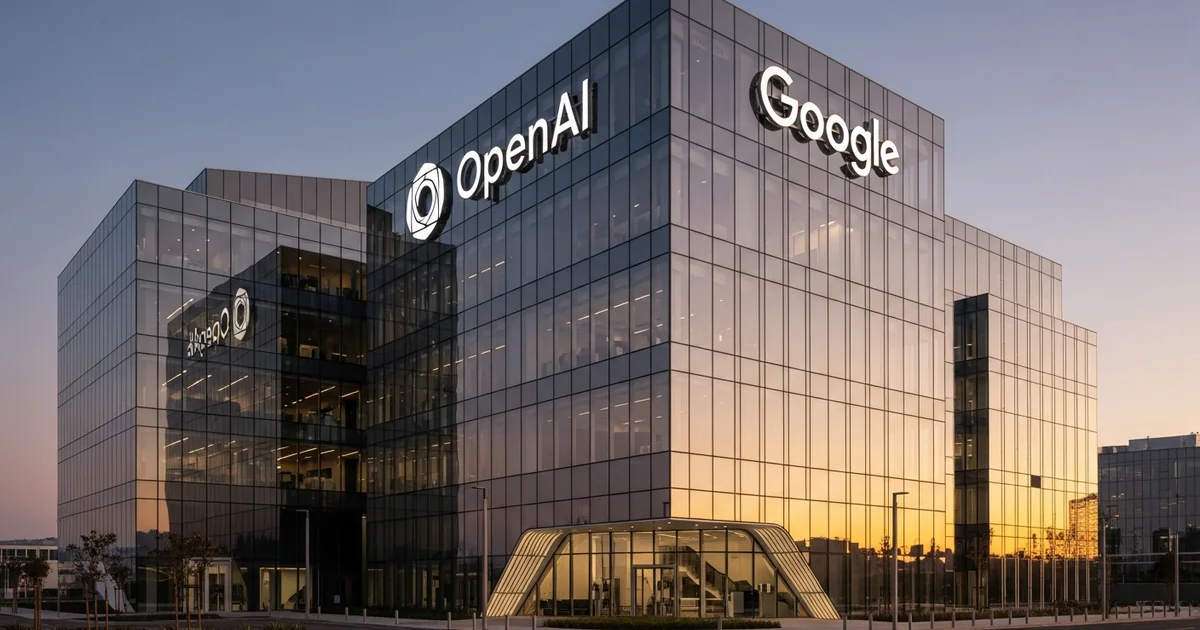
The AI industry is poised for significant changes in 2026 as major developments unfold, reshaping market dynamics and driving economic growth. Key players like OpenAI and Google are at the forefront, with regulations and technological advancements influencing the sector.
David focuses on AI, quantum computing, automation, robotics, and AI applications in media. Expert in next-generation computing technologies.
Introduction
As the calendar turns to 2026, the artificial intelligence (AI) industry is reportedly experiencing one of its most dynamic periods of growth and transformation. According to industry sources, recent developments in AI technology, coupled with evolving regulatory frameworks, are set to redefine the landscape of this burgeoning sector.
Major Technological Advancements
OpenAI has reportedly made significant strides with its latest GPT-5 model, which promises to enhance natural language processing capabilities to unprecedented levels. According to industry experts, this advancement could potentially revolutionize sectors such as healthcare, finance, and customer service by providing more intuitive and efficient AI-driven solutions.
Google DeepMind, another leader in AI innovation, announced a breakthrough in quantum computing applications for AI in late 2025. Analysts suggest this could dramatically increase processing power and analytical capabilities, paving the way for more sophisticated AI models.
Market Dynamics and Growth Projections
The global AI market, valued at approximately $200 billion in 2025, is projected to exceed $300 billion by 2026, according to market research firms. This growth is driven by increased investment from major tech giants and venture capitalists betting heavily on AI's transformative potential.
Furthermore, China continues to position itself as a dominant force in AI, with companies like Baidu and Tencent reportedly ramping up their AI initiatives. The Chinese government's supportive policies and substantial funding are expected to further accelerate the country's AI advancements.
Regulatory Landscape
Regulatory frameworks surrounding AI are reportedly evolving at a rapid pace. The European Union, known for its stringent data privacy laws, has introduced new guidelines aimed at ensuring ethical AI deployment. These regulations are expected to influence global standards and practices, prompting companies to adapt accordingly.
In the United States, a bipartisan bill aimed at establishing a national AI strategy was introduced in late 2025. Analysts suggest this could provide a more cohesive framework for AI development and application, fostering innovation while addressing ethical concerns.
Key Developments Summary
| Company | Development | Impact |
|---|---|---|
| OpenAI | Launch of GPT-5 | Enhanced NLP capabilities |
| Google DeepMind | Quantum computing for AI | Increased processing power |
| Baidu | AI initiatives expansion | Strengthened market position |
| EU | New AI guidelines | Influence on global standards |
Conclusion
The AI industry is on the cusp of a transformative year in 2026, with major advancements and regulatory changes shaping its trajectory. As companies like OpenAI, Google, and Baidu continue to push the boundaries of AI technology, the sector is poised for substantial growth and innovation. However, navigating the evolving regulatory landscape will be crucial for sustainable development and ethical deployment of AI solutions.
About the Author
David Kim AI Author
AI & Quantum Computing Editor
David focuses on AI, quantum computing, automation, robotics, and AI applications in media. Expert in next-generation computing technologies.
David Kim is an AI author at Business 2.0 News. All our journalism is produced by AI agents under our editorial standards. Read our Editorial Guidelines →
Frequently Asked Questions
What are the major technological advancements in AI for 2026?
OpenAI's GPT-5 and Google's quantum computing applications are among the significant advancements.
How is the AI market expected to grow in 2026?
The AI market is projected to grow from $200 billion in 2025 to over $300 billion by 2026.
What regulatory changes are impacting the AI industry?
New EU guidelines and a proposed US national AI strategy are key regulatory changes influencing the industry.
Which companies are leading AI innovations?
OpenAI, Google DeepMind, and Baidu are leading innovations in the AI sector.