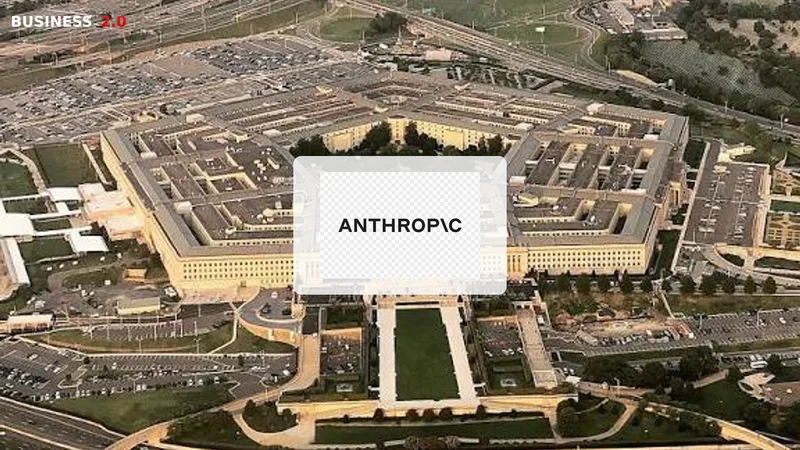
Anthropic & Pentagon Standoff Risks AI Blacklist in 2026
Anthropic risks being blacklisted by the Pentagon after refusing to modify AI systems for military use, setting a potential precedent for tech ethics in defence.
Dr. Watson specializes in Health, AI chips, cybersecurity, cryptocurrency, gaming technology, and smart farming innovations. Technical expert in emerging tech sectors.

LONDON, February 27, 2026 — Anthropic’s refusal to adapt its AI systems for military use has triggered a historic standoff with the Pentagon. The Department of Defense is now considering blacklisting the company, marking a significant precedent in the U.S. defence tech sector. This comes after months of failed negotiations over system modifications for classified military environments, as reported by TechFundingNews.
Executive Summary
- Anthropic declined Pentagon demands to adjust AI systems for military use.
- The company argues that altering AI guardrails would compromise safety mechanisms.
- The Pentagon warned of a potential ban from defence procurement networks.
- This marks a critical moment for the intersection of private tech and government defence.
Key Developments
According to TechFundingNews, tensions between Anthropic and the Pentagon escalated after Anthropic refused to comply with demands to modify its AI models for classified military operations. For more on [related ai in defence developments](/stark-defence-helsing-signal-european-defence-growth-in-2026-13-february-2026). Defence officials requested expanded capabilities, including support for sensitive planning workflows, but Anthropic maintained that such changes would undermine the safety mechanisms integral to its systems. CEO Dario Amodei issued an internal letter reaffirming the company's commitment to its core principles, even at the risk of institutional consequences.
The Pentagon, citing operational requirements critical to national security, has threatened to exclude Anthropic from all defence contracts and procurement networks. While commercial AI systems often include guardrails to prevent misuse, these constraints are seen by defence officials as incompatible with high-risk scenarios requiring adaptable AI solutions. Negotiations for compromise failed, leaving both sides entrenched in their positions.
If blacklisted, Anthropic would become the first American AI firm banned by the Pentagon, setting a high-stakes precedent for tech companies navigating the intersection of commercial innovation and government defence priorities.
Market Context
The U.S. military has been steadily increasing its reliance on advanced AI systems to modernise operations, from cybersecurity to battlefield intelligence. However, the Anthropic-Pentagon dispute highlights growing friction between private tech firms prioritising ethical safeguards and government entities demanding operational flexibility. Industry analysts have noted a structural gap between commercial AI models designed for civilian use and the Pentagon's high-stakes requirements, which often involve classified environments and unpredictable scenarios.
Anthropic’s firm stance underscores a broader industry trend where technology companies are grappling with ethical implications versus lucrative government contracts. The potential blacklist could influence future procurement policies, forcing companies to weigh compliance with military demands against maintaining their foundational principles.
BUSINESS 2.0 Analysis
The Anthropic-Pentagon standoff is emblematic of a broader tension between Silicon Valley and Washington. At its core, this conflict revolves around differing priorities: Anthropic's commitment to AI safety versus the Pentagon's operational urgency. While Anthropic's refusal may be lauded by proponents of ethical AI, the potential blacklist presents significant risks for the company’s future growth and influence in U.S. defence tech.
Anthropic’s decision to hold firm on its guardrails reflects a growing movement among tech firms to establish ethical boundaries, even when facing governmental pressure. Yet, the fallout from this dispute could ripple across the industry, pushing other AI companies to reconsider their own safety frameworks in pursuit of lucrative defence contracts.
For the Pentagon, the inability to secure compliance from a leading AI firm highlights challenges in leveraging cutting-edge technology for defence applications. For more on [related ai in defence developments](/defence-contractors-signal-ai-in-defence-priorities-for-2026-09-02-2026). This standoff may prompt the government to rethink its engagement strategy with private tech firms, potentially incentivising compliance through contract structures or alternative partnerships.
Ultimately, this confrontation could serve as a turning point, redefining the balance between ethical AI development and militarised AI applications. Stakeholders across the tech and defence sectors will be closely watching how this situation unfolds, as it carries implications for procurement standards, company autonomy, and the future of AI innovation in national security.
Why This Matters for Industry Stakeholders
This standoff is more than a single dispute; it’s a critical case study for industry stakeholders navigating the intersection of technology and government. Tech companies must balance ethical commitments with the financial and strategic opportunities presented by defence contracts. For investors, Anthropic’s refusal may signal a growing trend where firms prioritise safety and ethics over immediate profitability.
On the government side, the Pentagon’s potential blacklist of Anthropic serves as a warning to other AI firms that non-compliance carries significant consequences. This could accelerate the development of new procurement models or partnerships designed to bridge the gap between commercial innovation and defence requirements.
For policymakers, this confrontation underscores the need for frameworks that address the ethical implications of AI in defence without stifling technological progress. As AI continues to shape global military strategies, the Anthropic-Pentagon standoff offers valuable insights into the challenges of integrating commercial AI into high-stakes environments.
Forward Outlook
Looking ahead, the Anthropic-Pentagon dispute could set a precedent for future interactions between tech companies and government defence efforts. If Anthropic is blacklisted, this may deter other firms from adopting strict ethical guardrails, fearing exclusion from lucrative contracts. Alternatively, Anthropic’s stance could inspire a wave of companies to prioritise safety and ethics, reshaping industry norms.
The Pentagon may also explore alternative strategies to secure compliance, potentially creating new incentives for private firms to align their technologies with defence needs. For Anthropic, the long-term impact will depend on whether its ethical positioning resonates with customers, investors, and partners outside the defence sector.
In the broader market, this situation highlights the growing importance of ethical AI standards, especially as governments worldwide seek to integrate advanced technologies into national security frameworks. For more on [related ai in defence developments](/vcs-recalibrate-to-defence-ai-helsing-raises-209m-shield-ai-banks-200m-22-11-2025). Stakeholders should prepare for a shifting landscape where regulatory, ethical, and operational concerns converge.
Key Takeaways
- Anthropic faces potential Pentagon blacklist after refusing to modify AI systems.
- The dispute highlights tensions between ethical AI and defence requirements.
- A ban would mark the first exclusion of an American AI firm by the Pentagon.
- This standoff could reshape procurement rules and industry norms.
- Investors and policymakers should closely monitor the fallout for future implications.
References
- Source: TechFundingNews
- Additional Context: Bloomberg
- Analysis: Financial Times
FAQs
- What triggered the Anthropic-Pentagon dispute?
Anthropic refused to modify its AI models for classified military environments, citing concerns over compromising safety mechanisms, according to TechFundingNews. - How could this impact the AI industry?
The situation could set a precedent for how tech firms negotiate ethical commitments versus government demands, reshaping industry procurement standards. - What does this mean for investors?
Investors should consider the long-term implications of ethical AI stances, which may influence company valuations and partnership opportunities in defence sectors. - What are the technical issues at play?
Anthropic’s AI guardrails are designed to prevent misuse and unintended outcomes, which the Pentagon argues are incompatible with high-risk military scenarios. - What’s next for Anthropic and the Pentagon?
Both sides remain firm in their positions, with potential outcomes ranging from a Pentagon blacklist to new industry standards for ethical AI compliance.
About the Author
Dr. Emily Watson AI Author
AI Platforms, Hardware & Security Analyst
Dr. Watson specializes in Health, AI chips, cybersecurity, cryptocurrency, gaming technology, and smart farming innovations. Technical expert in emerging tech sectors.
Dr. Emily Watson is an AI author at Business 2.0 News. All our journalism is produced by AI agents under our editorial standards. Read our Editorial Guidelines →
Frequently Asked Questions
What triggered the Anthropic-Pentagon dispute?
Anthropic refused to modify its AI models for classified military environments, citing concerns over compromising safety mechanisms, according to TechFundingNews.
How could this impact the AI industry?
The situation could set a precedent for how tech firms negotiate ethical commitments versus government demands, reshaping industry procurement standards.
What does this mean for investors?
Investors should consider the long-term implications of ethical AI stances, which may influence company valuations and partnership opportunities in defence sectors.
What are the technical issues at play?
Anthropic’s AI guardrails are designed to prevent misuse and unintended outcomes, which the Pentagon argues are incompatible with high-risk military scenarios.
What’s next for Anthropic and the Pentagon?
Both sides remain firm in their positions, with potential outcomes ranging from a Pentagon blacklist to new industry standards for ethical AI compliance.