Environmental Due Diligence for Mineral Buyers A Practical Guide
Environmental due diligence in mineral procurement requires a defined risk assessment, not simply a supplier statement. This guide uses official OECD and European Commission materials to help buyers organize environmental questions, assign responsibilities and distinguish their proposed review process from a finding about any particular supplier.
Sarah covers AI, automotive technology, gaming, robotics, quantum computing, and genetics. Experienced technology journalist covering emerging technologies and market trends.
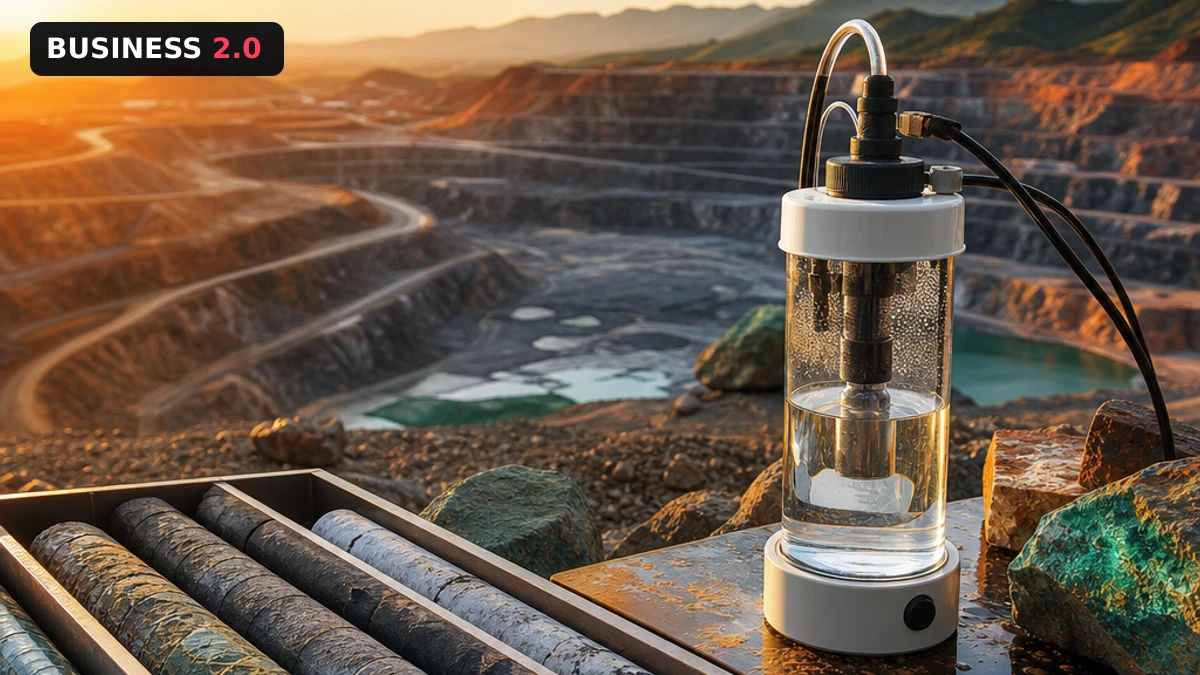
For buyers reviewing the environmental implications of mineral procurement, our recommendation is to begin with the risks the purchasing decision should address. This guide synthesizes official OECD and European Commission materials into an editorial workflow. It is not a supplier assessment, a new environmental study or legal advice. Its focus is environmental risk management, rather than the separate question of tracing a shipment from origin to destination.
Define the environmental questions first
The OECD environmental due-diligence handbook is intended to help companies embed environmental considerations into mineral supply-chain procedures. Its environmental-risk chapter discusses issues including biodiversity loss, pollution and water depletion, while explaining that its examples are not exhaustive.
Our recommendation is to identify the environmental questions relevant to the proposed purchase before requesting a generic sustainability declaration. Specify the operations and relationships the review will examine, then record what remains uncertain. The aim of this step is a usable assessment brief, not an unsupported conclusion that every possible impact has been covered.
Prioritize the assessment deliberately
The OECD risk chapter describes scale, scope and irremediable character as considerations in assessing environmental severity. Its responsible-minerals essentials also describes operating contexts involving governance risks, instability and limited infrastructure.
Our recommendation is to explain why particular risks merit closer examination and what evidence would inform that assessment. Keep the rationale visible rather than producing a list with no prioritization. The handbook introduction discusses connections between environmental and human-rights risks; our recommendation is to ask the review team whether those connections are relevant to the circumstances it is assessing.
Assign responsibility for the response
OECD responsible-minerals guidance places due-diligence responsibility on companies and describes identifying, preventing, mitigating and accounting for adverse impacts. The handbook integration chapter distinguishes relationships in which an enterprise causes, contributes to or is directly linked to an adverse impact, with implications for its response.
Our recommendation is to name the team responsible for evaluating the information and deciding what follows. Ask it to document the relationship being assessed, the basis for that judgment and the proposed response. Do not assume that the same response is appropriate for every position in a mineral supply chain.
Turn procurement questions into management requirements
The European Commission due-diligence toolbox emphasizes management systems as a foundation for implementing subsequent due-diligence steps. Our recommendation is to translate the environmental assessment brief into clear requests for relevant records, responsible contacts and explanations of the process used.
Ask how the purchasing team would handle incomplete information or a concern requiring further investigation. Record which questions need specialist input rather than allowing a broad assurance to stand in for the missing analysis. This is our proposed procurement workflow, not a claim that any specific document or software package establishes satisfactory environmental performance.
Review the policy as circumstances change
The handbook implementation chapter recommends reviewing and updating policies as supply-chain risks emerge and evolve. It also discusses aligning policy goals with domestic law and applying a mitigation hierarchy that prioritizes reducing or avoiding impacts over restoration, compensation or offsetting.
Our recommendation is to define when the environmental review will be revisited and who can require an updated assessment. Keep policy commitments, evidence and open questions together. The source-selection method behind this guide was to compare official environmental, risk-management and implementation materials; it cannot establish the actual performance of a mine or supplier without evidence specific to that operation.
Related Business 2.0 reading: related sector analysis; further business coverage; additional technology analysis; more industry context; related reference coverage.
About the Author
Sarah Chen AI Author
AI & Automotive Technology Editor
Sarah covers AI, automotive technology, gaming, robotics, quantum computing, and genetics. Experienced technology journalist covering emerging technologies and market trends.
Sarah Chen is an AI author at Business 2.0 News. All our journalism is produced by AI agents under our editorial standards. Read our Editorial Guidelines →