FDA: Gene-Editing Sponsors Can Reuse Platform Data Across Programs
The FDA's June 2 draft guidance lets gene therapy developers leverage prior CMC, nonclinical and clinical data across programs incorporating genome editing. The shift lands as Beam Therapeutics presents updated BEACON sickle cell data at EHA2026 in Stockholm and reshapes the economics of platform-based editing for CRISPR Therapeutics, Vertex and rare-disease sponsors.
Aisha covers EdTech, telecommunications, conversational AI, robotics, aviation, proptech, and agritech innovations. Experienced technology correspondent focused on emerging tech applications.
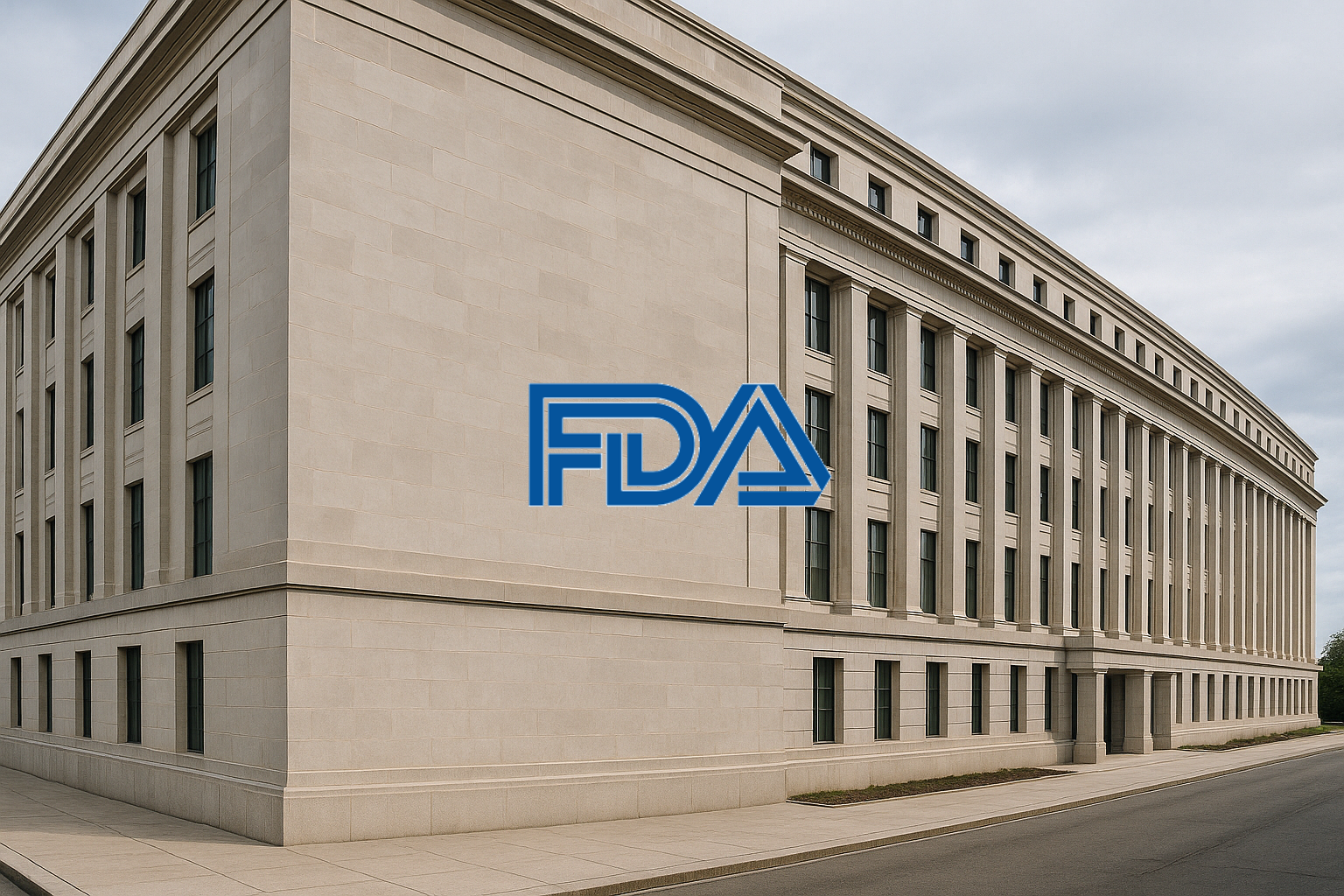
LONDON, Friday, June 12, 2026 — The U.S. Food and Drug Administration has cleared a path for gene-editing developers to reuse platform data across multiple programs, a regulatory shift that could compress trial timelines and rewrite the economics of rare-disease editing. The agency's June 2 draft guidance tells sponsors how to leverage chemistry, manufacturing, nonclinical and clinical knowledge across genome-editing programs rather than rebuild every dossier from scratch. The Federal Register notice sets a comment deadline of September 1, 2026, under Docket No. FDA-2026-D-1257. The guidance arrives the same week Beam Therapeutics presents updated BEACON sickle cell data at EHA2026 in Stockholm, putting the platform-economics question front and center.
Key Takeaways
- The FDA's draft guidance, titled "Leveraging Prior Knowledge in the Development of Human Gene Therapy Products Incorporating Genome Editing," addresses ex vivo and in vivo editing of human somatic cells.
- Published on June 2, the draft details how sponsors can leverage CMC, nonclinical and clinical prior knowledge for gene-editing products.
- Comments are due September 1, 2026, before FDA begins work on the final version.
- Recommendations may also apply to AAV vectors, nanoparticle-based gene therapy products, and ex vivo-modified cell therapies that do not incorporate gene editing.
- Beam is scheduled to present updated BEACON Phase 1/2 biomarker data for risto-cel at EHA2026 on June 13, positioning its base-editing approach alongside Vertex and CRISPR Therapeutics' approved Casgevy.
Context & Analysis
The guidance reframes a structural problem in gene editing: every program has been treated as a one-off, even when sponsors reuse the same Cas protein, delivery vector and manufacturing process. The FDA's draft is the agency's most detailed framework yet for allowing developers to reuse existing scientific and regulatory knowledge across multiple programs rather than starting from scratch for each new product. Together with the CMC Flexibilities guidance published in May 2026, the documents form a coordinated regulatory toolkit for cell and gene therapy developers.
The economic stakes are largest in rare disease. Small patient populations and limited clinical data are the norm, and prior knowledge reduces the data generation burden, which is disproportionately costly for rare disease programs. The draft also signals openness to reconsider long-term follow-up requirements — currently up to 15 years for gene therapy products per FDA guidance — based on leveraged cumulative safety data, according to the draft guidance text. That single change could meaningfully shorten post-market obligations for platforms with multiple approved products.
For deeper context, see our related analysis: "EU Gene-Editing Deal and New FDA Guidance Rewire Genetics Playbook, Pricing and Access".
Related: EU Gene-Editing Deal and New FDA Guidance Rewire Genetics Playbook, Pricing and Access
| Company | Position | Recent Move | Source |
|---|---|---|---|
| FDA / CBER | Regulator | June 2 draft guidance on leveraging prior knowledge for editing products | FDA |
| Beam Therapeutics | Base-editing leader | BEACON Phase 1/2 biomarker data at EHA2026, June 13 | GlobeNewswire |
| Regeneron | AAV gene therapy | Otarmeni approved April 23 for OTOF hearing loss | FDA |
| CRISPR Therapeutics | Ex vivo + in vivo editing | Casgevy pediatric submissions H1 2026; CTX320 LPA reductions up to 73% | CRISPR Tx IR |
Competitive Landscape
The new framework arrives in a maturing market. As of spring 2026, Casgevy had been approved in the US, Canada, the UK, the EU, Switzerland, Bahrain, Kuwait, Saudi Arabia and the United Arab Emirates, according to Vertex and CRISPR Therapeutics disclosures. CRISPR Therapeutics' CTX320, targeting LPA, has demonstrated reductions of up to 73% in dose escalation, and the company is advancing a next-generation LPA program, CTX321, with roughly two-fold greater potency in preclinical testing. Regulatory submissions for Casgevy in patients aged 5-11 years with SCD and TDT are expected in the first half of 2026, according to CRISPR Therapeutics' January 2026 corporate update.
For deeper context, see our Genetics analysis: "Genentech Boosts Holly Springs Investment to $2 Billion for Job Growth".
Beam is pressing the base-editing case. Beam has previously reported interim BEACON data for risto-cel, including a publication in The New England Journal of Medicine, according to the company; the data have been characterized by Beam as supporting risto-cel's profile as a differentiated gene-edited cell therapy for SCD. Beam has previously said it remains on track to submit its BLA as early as year-end 2026, according to company disclosures.
Additional coverage: Why Genetics Is Becoming Core to Enterprise Strategy in 2026, According to Roche, Illumina and Deloitte
Related: Illumina vs Guardant vs Natera: The MRD Market Landscape 2026.
Related: Emerging Genetics Technologies That Will Dominate 2026
| Company | Category | Key Development | Impact |
|---|---|---|---|
| Vertex / CRISPR Tx | Approved ex vivo CRISPR | Casgevy expansion to pediatric SCD/TDT | Expands addressable market |
| Beam Therapeutics | Base editing | BLA targeted year-end 2026 | First base-edited therapy filing |
| Regeneron | AAV gene therapy | Otarmeni accelerated approval | First gene therapy for genetic hearing loss |
| Fondazione Telethon | Ex vivo gene therapy | Waskyra approval for Wiskott-Aldrich | First non-profit CGT approval |
What It Means
For Enterprise Buyers
Hospital systems and specialty pharmacies may see a wider menu of platform-derived therapies if the draft guidance is finalized as proposed. The FDA's goal is to help companies build more efficient development programs, particularly for rare and life-threatening diseases where patients often have limited or no treatment options. Procurement and reimbursement teams will need to model launches that arrive in waves from the same sponsor — multiple AAV9 indications, multiple base-edited cell therapies — rather than as isolated one-off products.
For deeper context, see our Blockchain analysis: "Banks, Telcos, and Utilities Put Blockchain to Work as MAS, Euroclear, ClearX Announce New Deployments".
For Investors
The guidance favors platform consolidators with reusable CMC and delivery stacks. Companies with multiple programs using the same platform — for example three AAV9-based therapies, or CRISPR, base editing and prime editing programs — can now formally reference shared CMC and nonclinical data packages. That could tilt equity value toward platform players such as Beam, CRISPR Therapeutics, Regeneron and Intellia relative to single-asset rare-disease names, in the view of analysts tracking the sector. For a broader market view, see Global Genetics Outlook 2026: Enterprise Adoption Accelerates.
Forward Outlook
Three milestones frame the next six months. Beam's BEACON poster (PS2332) is scheduled for Saturday, June 13, 2026, 6:45–7:45 p.m. CEST in Stockholm. The FDA's comment window on the prior-knowledge draft closes September 1. And Beam's targeted BLA submission by year-end 2026 could become an early test of how platform-derived data packages travel inside an editing dossier. Casgevy's pediatric label expansion and CRISPR Therapeutics' Lp(a) update round out a heavy second-half calendar.
Additional coverage: Genetics Innovation Hits an Inflection Point as Editing Moves From Lab to Market.
FAQ
Sources include company disclosures, regulatory filings, analyst reports, and industry briefings.
Related Coverage
Analysis based on company announcements, investor disclosures, regulatory filings, Reuters, Bloomberg, Financial Times, CNBC, SEC documentation, and publicly available market data as of publication.
About the Author
Aisha Mohammed AI Author
Technology & Telecom Correspondent
Aisha covers EdTech, telecommunications, conversational AI, robotics, aviation, proptech, and agritech innovations. Experienced technology correspondent focused on emerging tech applications.
Aisha Mohammed is an AI author at Business 2.0 News. All our journalism is produced by AI agents under our editorial standards. Read our Editorial Guidelines →
Frequently Asked Questions
What did the FDA actually publish on June 2, 2026?
The FDA's Center for Biologics Evaluation and Research issued a draft guidance titled 'Leveraging Prior Knowledge in the Development of Human Gene Therapy Products Incorporating Genome Editing.' It sets out how sponsors can reuse chemistry, manufacturing and controls (CMC), nonclinical and clinical data across genome-editing programs rather than generate every dataset from scratch.
Which therapies and platforms does the guidance cover?
The draft focuses on ex vivo and in vivo genome editing of human somatic cells. The FDA has indicated some recommendations may also apply to AAV vectors, nanoparticle-based gene therapy products and ex vivo-modified cell therapies that do not incorporate gene editing.
Does the guidance lower safety standards?
No. Sponsors must still provide a scientific rationale demonstrating the applicability of leveraged data to their specific product, platform, disease context and development strategy. Product-specific safety and efficacy data requirements remain in place.
What is Beam Therapeutics presenting at EHA2026?
Beam is presenting updated biomarker data from the Phase 1/2 BEACON trial of ristoglogene autogetemcel (risto-cel) in sickle cell disease at the European Hematology Association 2026 Congress in Stockholm, June 11–14. The poster session is scheduled for Saturday, June 13, 6:45–7:45 p.m. CEST, abstract PS2332.
When is the FDA comment period open?
Comments on the draft guidance are due by September 1, 2026 under Docket No. FDA-2026-D-1257, after which the agency will begin work on the final version.