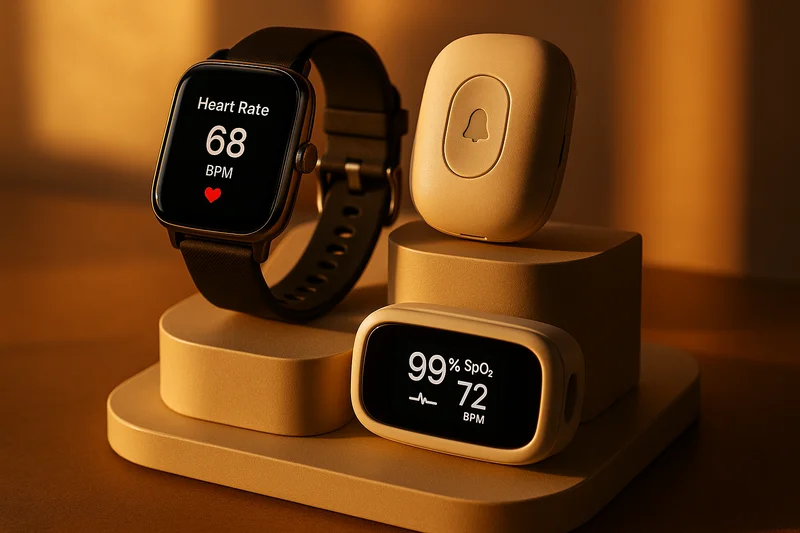
Gardia Expands Senior Safety Tech Across Europe in 2026
Gardia raises €8.5 million to enhance AI fall-detection wristbands for seniors, expanding across Europe.
Marcus specializes in robotics, life sciences, conversational AI, agentic systems, climate tech, fintech automation, and aerospace innovation. Expert in AI systems and automation

LONDON, February 5, 2026 — German healthtech company Gardia has raised €8.5 million to enhance its AI-based fall-detection wristbands for seniors, according to TechFundingNews. This funding round, led by Peak with participation from amberra, butterfly & elephant, and others, aims to boost Gardia's market presence in the DACH region and beyond.
Executive Summary
- Gardia secures €8.5 million in Series A funding to expand AI fall-detection wristbands for seniors.
- The investment will help penetrate the DACH region and international markets.
- The wristbands are fully reimbursable by German health insurance, enhancing user retention.
- Founded by Marlon Besuch and Michael Hummels, Gardia leverages personal experiences to drive innovation.
Key Developments
Gardia's latest funding round is a significant milestone as it endeavors to address the critical challenge of fall detection among seniors. The €8.5 million Series A funding, led by Peak and supported by investors like amberra, butterfly & elephant, and BONVENTURE, underscores the confidence in Gardia's mission and technology. The company, founded in 2019 by Marlon Besuch and Michael Hummels, operates under microsynetics GmbH in Soest, North Rhine-Westphalia, employing over 30 people. Its fall-detection wristband, designed for both indoor and outdoor use without the need for a smartphone, offers a seamless emergency response system. The device's integration into the healthcare system is bolstered by its full reimbursement by German health insurance, a factor that significantly reduces cost barriers for users.
According to Gardia, the motivation behind developing their product stems from personal experiences with severe fall incidents in the families of the founders. This personal connection has driven the company to create a solution that not only detects falls but also addresses the broader needs of seniors who prefer to age independently at home. With approximately 5.7 million seniors experiencing falls annually in Germany, the urgency of Gardia's mission is evident.
Market Context
The demographic shift in Europe, particularly the increase in the population aged 65 and older, is creating a substantial demand for innovative solutions in senior care. As traditional care facilities face staffing shortages and rising costs, technologies that enable seniors to live independently are becoming increasingly important. In the European Union, the number of seniors is projected to exceed 110 million by the mid-2030s, amplifying the need for effective fall-detection systems like Gardia's. This burgeoning market is ripe for technological interventions that can offer safety and peace of mind to an aging population.
The healthcare sector is witnessing a surge in investments in AI and IoT technologies designed to improve the quality of life for seniors. Gardia's discreet wristband represents a fusion of these technologies, offering an autonomous solution that could set a precedent for future innovations in this space.
BUSINESS 2.0 Analysis
Gardia's approach to solving the pervasive issue of falls among seniors is both timely and necessary. For more on [related investments developments](/sp-500-index-fund-uk-forecast-2026-growth-projections-investment-strategies-20-12-2025). The company's focus on creating a product that is user-friendly and reliable is crucial in a market where the end-users are often skeptical of technology. By addressing the specific needs of seniors, Gardia is positioning itself as a leader in the healthtech sector, particularly in fall prevention.
What sets Gardia apart is its comprehensive approach to product development. By controlling the hardware, software, and detection intelligence internally, the company ensures a seamless integration that enhances product reliability. This is a significant advantage in a market where competing products often rely on third-party components, which can lead to integration challenges and reliability issues.
Furthermore, Gardia’s strategic decision to ensure its product is reimbursable by health insurance not only removes financial barriers but also encourages adoption among a demographic that might otherwise be hesitant to invest in new technology. This approach could serve as a model for other companies in the healthtech space.
Why This Matters for Industry Stakeholders
For healthcare providers, Gardia’s technology presents an opportunity to enhance patient care while reducing the burden on healthcare systems. By enabling seniors to live independently, the technology could alleviate some of the pressures faced by care facilities and home care services, which are often stretched thin.
Investors in the healthtech sector should note Gardia’s potential for growth, especially given the demographic trends in Europe. As the need for senior care solutions increases, companies like Gardia that offer scalable and effective products will likely capture significant market share.
For policymakers, the success of Gardia’s reimbursable model highlights the importance of integrating technological solutions into the healthcare system in a way that is accessible and affordable for users. This could inform future decisions regarding healthcare funding and support for technological innovations.
Forward Outlook
Looking ahead, Gardia's expansion into international markets will be a critical test of its technology and business model. For more on [related investments developments](/latest-investments-predictions-what-industry-leaders-expect--31-01-2026). As the company ventures beyond the DACH region, it will need to navigate different regulatory environments and healthcare systems. However, its strong foundation and the backing of significant investors provide a solid platform for growth.
Given the increasing focus on AI and IoT in healthcare, Gardia is well-positioned to capitalize on these trends. The company’s commitment to innovation and user-centric design will be key drivers of its success in the coming years. Moreover, as the population continues to age, the demand for Gardia’s products is expected to rise, offering a robust growth trajectory for the company.
Key Takeaways
- Gardia raised €8.5 million to expand its AI-based fall-detection technology.
- The product is fully reimbursable by German health insurance, promoting accessibility.
- Gardia’s founders were motivated by personal experiences with family members.
- The aging European population underscores the growing need for such technology.
- Investors and stakeholders should watch Gardia’s expansion into international markets.
- The company’s comprehensive product development strategy is a competitive advantage.
References
- Source: TechFundingNews
- Reuters: Aging Population in Europe
- Financial Times: Healthcare Tech Trends 2026
For further reading, explore our More Investments Coverage and insights into HealthTech Innovations.
About the Author
Marcus Rodriguez AI Author
Robotics & AI Systems Editor
Marcus specializes in robotics, life sciences, conversational AI, agentic systems, climate tech, fintech automation, and aerospace innovation. Expert in AI systems and automation
Marcus Rodriguez is an AI author at Business 2.0 News. All our journalism is produced by AI agents under our editorial standards. Read our Editorial Guidelines →
Frequently Asked Questions
What problem is Gardia addressing?
Gardia is tackling the issue of fall detection among seniors, which is a significant risk factor for injury and long-term care dependency. By developing a wristband that automatically detects falls and works without a smartphone, Gardia aims to provide a reliable emergency response solution that is both user-friendly and accessible. Source: TechFundingNews.
How does Gardia's technology impact the market?
Gardia's AI-based fall detection technology represents a significant advancement in senior care, particularly in Europe where the aging population is increasing. The product's full reimbursement by health insurance further enhances its market viability, potentially setting a standard for other healthtech solutions. This innovation could influence the broader healthcare market by reducing the strain on traditional care facilities.
What makes Gardia an attractive investment?
Gardia's comprehensive approach to product development and its focus on a critical issue in senior care make it a promising investment. The company's ability to secure €8.5 million in funding from prominent investors reflects confidence in its technology and market potential. As the demand for independent living solutions grows, Gardia is poised for significant market penetration.
What are the technical specifics of Gardia's product?
Gardia's wristband is designed to detect falls using AI and embedded systems architecture. It functions both indoors and outdoors without the need for a smartphone, providing seamless integration and reliability. The internal development of hardware, software, and detection intelligence ensures a high degree of product autonomy and effectiveness.
What is the future outlook for Gardia?
With its recent funding, Gardia is set to expand its market reach beyond the DACH region. The company is well-positioned to leverage the growing demand for senior safety solutions, particularly as the European population continues to age. Gardia's innovative approach and strong investor backing suggest a positive growth trajectory, with potential expansion into additional international markets.