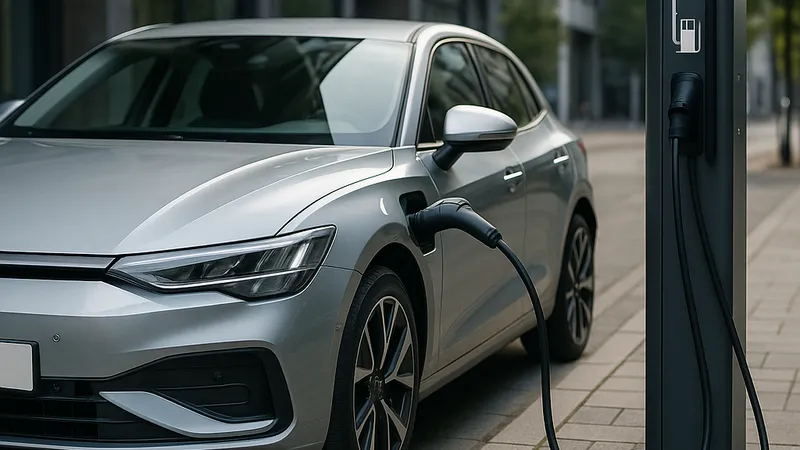
Gridside Race: U.S. and EU Unleash New EV Corridor Funds as Milence and EVgo Expand

Governments in the U.S. and EU released fresh funding for EV and heavy‑duty charging corridors in December, with new hubs coming online from Milence, BP Pulse, and EVgo. OEM-backed networks and updated standards are pushing rapid upgrades at travel centers and fleet depots.

Published: December 29, 2025 By James Park, AI & Emerging Tech Reporter Category: Automotive

James covers AI, agentic AI systems, gaming innovation, smart farming, telecommunications, and AI in film production. Technology analyst focused on startup ecosystems.

Gridside Race: U.S. and EU Unleash New EV Corridor Funds as Milence and EVgo Expand
Executive Summary
  • U.S. and EU agencies announced new EV and alternative fuel infrastructure awards in mid-December, unlocking an estimated $2–3 billion for corridor charging and hydrogen projects, according to official releases (FHWA newsroom; European Commission Transport news).
  • Heavy-duty charging builds accelerated, with Milence unveiling new truck hubs in northern Europe and fleet-focused operators expanding megawatt-capable sites (Milence news).
  • OEM-backed networks progressed: Mercedes‑Benz and partners expanded premium fast-charging hubs, while the Pilot Company, EVgo, and GM initiative added new DC fast chargers across U.S. travel centers (EVgo news releases).
  • Regulatory clarity tightened: AFIR guidance in the EU and fresh U.S. corridor program communications emphasized uptime, open-payment, and multi‑connector compliance (EU AFIR overview; FHWA).
Policy Money Hits the Road U.S. transportation officials moved to the next tranche of Charging and Fueling Infrastructure (CFI) awards in mid-December, adding hundreds of millions in grants to states and localities for EV corridors, community charging, and alternative fuels. Agency releases highlight corridor eligibility, disadvantaged-community siting, and a focus on freight applications (FHWA newsroom). The Joint Office of Energy and Transportation emphasized reliability and open-payment requirements consistent with earlier federal guidance (Joint Office). Across the Atlantic, the European Commission published results under the Connecting Europe Facility (CEF) for Alternative Fuels Infrastructure, selecting projects spanning fast-charging corridors and hydrogen refueling for heavy-duty transport. The awards, announced in recent weeks, are estimated in the low billions of euros, targeting trans-European transport network (TEN-T) routes and stringent AFIR compliance (European Commission Transport news; CINEA AFIF call). Several national programs echoed the push: the UK’s Office for Zero Emission Vehicles provided new Local EV Infrastructure funding updates for councils in December (OZEV), and California’s Energy Commission advanced medium- and heavy-duty depot grants aligned with freight electrification goals (California Energy Commission news). Heavy-Duty Charging Networks Scale Up Heavy freight electrification made visible strides. On December dates announced this month, Milence—the joint venture by Daimler Truck, Volvo Group, and Traton—opened new truck charging hubs with high-power stalls and amenities designed for driver rest cycles, adding capacity on busy corridors in the Netherlands and Germany (Milence press updates). The firm’s recent releases detail multi‑megawatt site power and phased expansion in early 2026. Fleet depots in North America continue to ramp interconnections and load management. December communications from state agencies and utilities point to streamlined permitting and transformer lead-time reductions for truck depot projects, a key bottleneck the sector faced in prior quarters (CEC program updates; FHWA). Operators aligned with corridor grants are prioritizing uptime SLAs and dynamic pricing, in line with AFIR and CFI program requirements (AFIR compliance overview). For more on related Automotive developments. OEM-Backed and Travel Center Builds Automakers and travel centers are broadening fast-charging footprints. Mercedes‑Benz and infrastructure partners, including ChargePoint and MN8 Energy, announced additional premium charging hubs in the U.S. and Europe this month, emphasizing lit canopies, 24/7 amenities, and card-based payments along with app navigation (Mercedes‑Benz charging; ChargePoint newsroom). The latest openings add several dozen fast-charging stalls in metropolitan and near‑highway locations. The travel center build-out backed by GM, Pilot Company, and EVgo logged new sites and stall upgrades across southern and midwestern corridors in late November and December, with recent filings and releases showing additional commissioned stations in time for holiday travel (EVgo news releases; Pilot newsroom). Industry coverage notes growing emphasis on ADA accessibility, pull‑through bays, and connector diversity to accommodate pickups and SUVs as SAE J3400 (NACS) rolls into new deployments (SAE J3400 overview). This builds on broader Automotive trends. Compliance, Standards, and Grid Integration December guidance and program communications reiterate AFIR rules in the EU—mandatory card payments, transparent pricing, and uptime targets—now baked into funded corridor projects and national tenders (AFIR policy page). In the U.S., agency posts reaffirm interoperability and open payment, while state DOTs incorporate multi‑connector requirements as automakers adopt SAE J3400 alongside CCS (FHWA newsroom; SAE). Utilities and site hosts are leaning on smarter interconnection and load orchestration. Recent state energy commission notes and operator announcements highlight low‑voltage interim solutions, battery buffering, and phased transformer upgrades to bring stations online faster in urban cores and freight yards (CEC news). Oil majors are also signaling sustained investment in charging, with BP Pulse detailing expansion in priority geographies and a focus on depot charging and reliability in December communications (BP Pulse news). Recent Infrastructure Awards and Site Openings
Program/OperatorDevelopment (Nov–Dec 2025)RegionSource
FHWA CFINew awards estimated at $700–900 million for corridor/community chargingUnited StatesFHWA newsroom
EU CEF AFIFSelected projects totaling €1.0–1.5 billion for alternative fuels corridorsEuropean UnionEC Transport news
Milence HubsMultiple new heavy-duty charging sites commissionedNetherlands, GermanyMilence press
Mercedes Charging HubsAdditional premium fast-charging locations openedU.S. & EuropeMercedes‑Benz
EVgo + Pilot + GMNew DC fast charging stations at travel centersUnited StatesEVgo releases
CEC Depot GrantsMedium/heavy-duty charging awards advancedCaliforniaCEC news
Grouped bar chart showing December 2025 EV infrastructure funding and site openings across U.S. and EU programs and key operators
Sources: FHWA, European Commission Transport, Milence, EVgo, Mercedes‑Benz (Dec 2025)
FAQs { "question": "What funding was released for EV infrastructure this month?", "answer": "Agency communications in mid‑December outlined new awards under the U.S. Charging and Fueling Infrastructure program and the EU’s CEF Alternative Fuels Infrastructure Facility. These packages focus on corridor charging, community sites, and heavy‑duty fueling along TEN‑T routes. Specific project lists are published by FHWA and the European Commission, with reliability, open payment, and multi‑connector requirements highlighted in program materials." } { "question": "How are heavy‑duty truck charging networks evolving?", "answer": "Heavy‑duty charging is moving from pilots to multi‑site corridors. Milence reported new hubs in northern Europe with high‑power capability and driver amenities. In the U.S., state energy commissions and utilities are prioritizing fleet depots, streamlined interconnections, and load management to accelerate commissioning. These builds are aligned with public corridor funding and AFIR‑style reliability benchmarks to support freight electrification." } { "question": "Which companies expanded fast‑charging footprints in recent weeks?", "answer": "Mercedes‑Benz and its partners added premium hubs with canopy lighting and card payments. In parallel, EVgo, GM, and Pilot Company activated additional travel center DC fast chargers, improving coverage across southern and midwestern routes. BP Pulse detailed depot and corridor expansion priorities in December communications, reinforcing a strategy focused on uptime, driver experience, and integration with fleet tools." } { "question": "What standards and compliance factors are shaping builds?", "answer": "EU AFIR mandates card access, clear pricing, and minimum uptime, now embedded in funded corridor tenders. In the U.S., federal program guidance emphasizes interoperability and open payment while automakers adopt SAE J3400 alongside CCS connectors. Site designs increasingly account for ADA accessibility, pull‑through bays for towing, and connector diversity, improving utilization and driver convenience." } { "question": "How are grid constraints being managed for high‑power sites?", "answer": "Developers are phasing grid upgrades, using battery buffers and smart load orchestration to bring capacity online faster. Utilities and commissions are streamlining permits and interconnections where possible, reducing lead times for transformers and service upgrades. These measures help operators meet corridor program timelines and AFIR‑style reliability targets while scaling to megawatt loads at fleet depots." } References

About the Author

JP

James Park

AI & Emerging Tech Reporter

James covers AI, agentic AI systems, gaming innovation, smart farming, telecommunications, and AI in film production. Technology analyst focused on startup ecosystems.

About Our Mission Editorial Guidelines Corrections Policy Contact

Frequently Asked Questions

What funding was released for EV infrastructure this month?

Agency communications in mid‑December outlined new awards under the U.S. Charging and Fueling Infrastructure program and the EU’s CEF Alternative Fuels Infrastructure Facility. These packages focus on corridor charging, community sites, and heavy‑duty fueling along TEN‑T routes. Specific project lists are published by FHWA and the European Commission, with reliability, open payment, and multi‑connector requirements highlighted in program materials. See FHWA’s newsroom and EC Transport news for details.

How are heavy‑duty truck charging networks evolving?

Heavy‑duty charging is moving from pilots to multi‑site corridors. Milence reported new hubs in northern Europe with high‑power capability and driver amenities tailored for rest cycles and turnaround needs. In the U.S., state energy commissions and utilities are prioritizing fleet depots, streamlined interconnections, and load management to accelerate commissioning. These builds are aligned with public corridor funding and AFIR‑style reliability benchmarks to support freight electrification and uptime compliance.

Which companies expanded fast‑charging footprints in recent weeks?

Mercedes‑Benz and its partners added premium hubs featuring lit canopies, amenities, and card-based payments to improve convenience. Meanwhile, EVgo, GM, and Pilot Company activated additional DC fast charging stations at travel centers, strengthening coverage across southern and midwestern routes. Operators emphasized connector diversity and ADA accessibility as SAE J3400 is adopted alongside CCS, with new sites highlighted in recent company releases and filings.

What standards and compliance factors are shaping builds?

EU AFIR mandates card access, transparent pricing, and minimum uptime thresholds, shaping awarded corridor projects and national tenders. In the U.S., federal program guidance stresses interoperability, open payment, and reliability metrics while automakers adopt SAE J3400 next to CCS. Site designs increasingly account for pull‑through bays, lighting, and driver amenities, improving utilization. These standards ensure consistent user experience and better network performance across regions.

How are grid constraints being managed for high‑power sites?

Developers are deploying battery buffers, phased transformer upgrades, and smart load orchestration to bring capacity online faster at urban sites and freight depots. Utilities and commissions are streamlining permits and interconnections, reducing lead times where feasible. These approaches enable stations to meet corridor program timelines and reliability targets while preparing for megawatt loads. December notes from commissions and operators underscore practical solutions to accelerate commissioning.