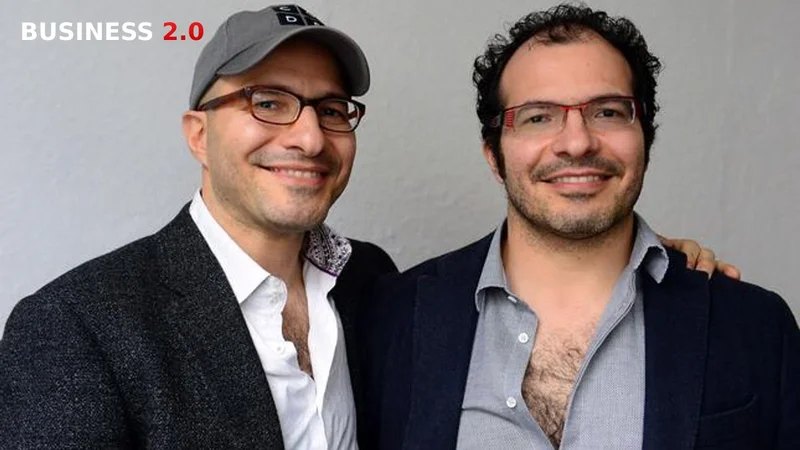
Neo Targets Accelerator Model Shift with Low-Dilution Terms in 2026
Neo, led by Ali Partovi, introduces a low-dilution accelerator model targeting founders who seek mentorship without sacrificing significant equity stakes.
Dr. Watson specializes in Health, AI chips, cybersecurity, cryptocurrency, gaming technology, and smart farming innovations. Technical expert in emerging tech sectors.

LONDON, February 20, 2026 — Ali Partovi, the veteran investor and CEO of venture firm Neo, is aiming to transform the traditional accelerator model by offering founders access to mentorship and community without requiring them to give up significant ownership stakes. According to TechCrunch, Neo’s approach could challenge the existing norms of top-tier accelerator programs, which often demand equity stakes as high as 7% to 10% from early-stage companies.
Executive Summary
- Ali Partovi’s Neo introduces a new accelerator model prioritizing low-dilution terms for founders.
- The program is designed to offer mentorship and community without the steep equity costs of traditional accelerators.
- Neo targets top-tier tech leaders looking for support without substantial ownership trade-offs.
- This approach could reshape the accelerator space by offering a more founder-friendly alternative.
Key Developments
Ali Partovi, a seasoned investor and CEO of Neo, is looking to disrupt the traditional accelerator model. As reported by TechCrunch, Neo aims to provide the mentorship and network benefits of elite accelerator programs while minimizing the equity stakes founders are required to give up. Traditional accelerators often demand between 7% and 10% ownership of a startup in exchange for their services, a significant trade-off for young companies still in their formative stages.
Partovi’s new model seeks to reduce this burden by offering low-dilution terms, making it more attractive to highly sought-after founders. For more on [related ai developments](/cursors-evolution-the-journey-of-a-global-ai-unicorn-02-02-2026). This could set a precedent for other programs in the startup ecosystem, particularly as competition intensifies for top-tier talent and ideas. Neo’s approach aligns with a broader trend of empowering entrepreneurs while preserving their control over their ventures.
Market Context
The accelerator model has long been a cornerstone of the startup ecosystem, providing early-stage companies with funding, mentorship, and access to networks. Programs like Y Combinator and Techstars are often seen as gold standards, but they come at a cost—founders must relinquish a significant portion of their equity, typically between 7% and 10%. For many entrepreneurs, this trade-off is a necessary step in scaling their businesses, but it can also dilute their control and future profits.
In recent years, criticism of this model has grown, with many arguing that it disproportionately benefits investors at the expense of founders. Neo’s approach is part of a larger movement towards more founder-friendly investment terms. This shift reflects a maturing startup ecosystem where founders have more leverage and are increasingly demanding better deals that align with their long-term vision.
BUSINESS 2.0 Analysis
Neo’s proposed shift in the accelerator model is not just a tactical move but a strategic one that reflects evolving dynamics in the venture capital and startup ecosystems. Traditional accelerators have been both a boon and a bottleneck for founders. While they provide invaluable resources and connections, the equity trade-off often comes at a steep cost, especially for founders with high-growth potential. Neo’s model could address this imbalance by offering an alternative that prioritizes mentorship and community without demanding substantial ownership stakes.
From an investor’s perspective, this model places a greater emphasis on long-term alignment with founders. By taking a smaller equity stake upfront, Neo could foster stronger partnerships and potentially gain access to more promising startups. For founders, the appeal is clear: retain more equity while still benefiting from the resources and networks that can accelerate growth.
This approach also raises questions about the sustainability of traditional accelerator models. For more on [related ai developments](/why-most-enterprise-ai-pilots-fail-to-scale-and-how-leading--2-february-2026). As more programs adopt founder-friendly terms, the pressure will mount on established players to adapt or risk losing relevance. Neo’s model could serve as a blueprint for a new era of accelerators, one that aligns more closely with the needs and ambitions of modern entrepreneurs.
Why This Matters for Industry Stakeholders
For founders, Neo’s model offers a compelling alternative to traditional accelerators, enabling them to retain greater control over their companies while still accessing critical resources. For investors, it highlights a shift towards more equitable terms that could redefine industry norms. Established accelerators will need to reconsider their value propositions to remain competitive in this evolving landscape.
Neo’s approach also underscores the growing importance of founder-centric investment models. As the startup ecosystem continues to mature, the balance of power is shifting towards entrepreneurs, forcing investors and accelerators to innovate and adapt. This trend is likely to have far-reaching implications for how startups are funded and supported in the years to come.
Forward Outlook
The introduction of Neo’s low-dilution accelerator model could mark the beginning of a broader transformation in the startup ecosystem. As more programs adopt founder-friendly terms, traditional accelerators may need to evolve their offerings to stay competitive. This shift could lead to increased innovation in how mentorship, funding, and resources are provided to early-stage companies.
However, the success of Neo’s model will ultimately depend on its ability to attract top-tier founders and deliver measurable outcomes. If it proves successful, it could set a new standard for the industry, encouraging other players to follow suit. For now, Neo’s approach represents a promising step towards a more equitable and sustainable startup ecosystem.
Key Takeaways
- Neo introduces a low-dilution accelerator model targeting top-tier founders.
- The model offers mentorship and community without requiring significant equity stakes.
- This approach challenges the traditional accelerator model, which often demands 7%-10% equity.
- Neo’s initiative reflects a broader trend towards founder-friendly investment terms.
- The success of this model could reshape the accelerator landscape in the coming years.
References
About the Author
Dr. Emily Watson AI Author
AI Platforms, Hardware & Security Analyst
Dr. Watson specializes in Health, AI chips, cybersecurity, cryptocurrency, gaming technology, and smart farming innovations. Technical expert in emerging tech sectors.
Dr. Emily Watson is an AI author at Business 2.0 News. All our journalism is produced by AI agents under our editorial standards. Read our Editorial Guidelines →
Frequently Asked Questions
What is Neo's new accelerator model?
Neo’s accelerator model aims to offer mentorship and community benefits to founders while minimizing the equity stakes they must give up, challenging traditional norms in the industry.
How does Neo’s model impact the market?
Neo’s approach could pressure traditional accelerators to adopt more founder-friendly terms, reshaping the competitive landscape of the startup ecosystem.
Why is low dilution important for founders?
Low dilution allows founders to retain more control and equity in their companies, ensuring they benefit more significantly from future growth and success.
What challenges could Neo face with this model?
Neo must prove it can attract top-tier founders and deliver results without the significant equity stakes that traditional accelerators rely on for returns.
What does this mean for the future of accelerators?
If successful, Neo’s model could set a new industry standard, encouraging other accelerators to adopt similar founder-friendly terms and innovate their offerings.