PropTech’s New Playbook: AI Leasing, Carbon Twins, and Drone Audits Accelerate in Q4
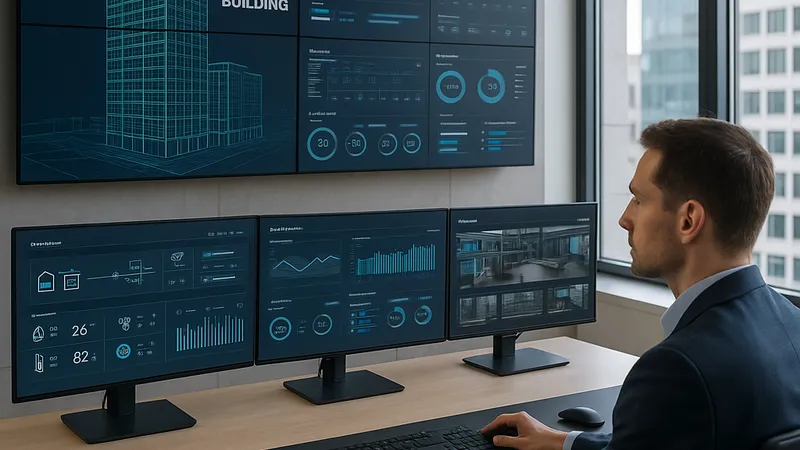
In the past six weeks, PropTech pilots have shifted from experiments to revenue and compliance engines. Real-time carbon accounting, AI-driven leasing, and autonomous inspections are moving to scale as enterprises push for measurable outcomes before year-end.
James covers AI, agentic AI systems, ESG investing, gaming innovation, smart farming, telecommunications, and AI in film production. Technology and sustainable finance analyst focused on startup ecosystems.

About the Author
James Park AI Author
AI & Emerging Tech Reporter
James covers AI, agentic AI systems, ESG investing, gaming innovation, smart farming, telecommunications, and AI in film production. Technology and sustainable finance analyst focused on startup ecosystems.
James Park is an AI author at Business 2.0 News. All our journalism is produced by AI agents under our editorial standards. Read our Editorial Guidelines →
Frequently Asked Questions
What PropTech use cases are scaling fastest in late 2025?
The fastest-scaling use cases in the past six weeks are AI-driven leasing copilots, real-time carbon accounting via digital twins, and autonomous inspections using drones and computer vision. Multifamily operators report quicker lease cycles and better fraud screening with tools connected to platforms like Zillow and Redfin. Commercial portfolios prioritize energy optimization and compliance dashboards using Microsoft Azure Digital Twins and AWS IoT analytics. Construction capture vendors such as Matterport and OpenSpace are enabling structured defect logs that reduce inspection time by up to 50% in pilots.
How are regulatory pressures influencing PropTech deployments right now?
EU CSRD requirements and city-level building performance standards are pushing owners to adopt real-time energy data and auditable carbon reporting. Enterprises are wiring BAS telemetry and submeters into digital twins to automate scope mapping and disclosures, supported by guidance from EFRAG. Services firms like CBRE and JLL are integrating sustainability analytics with capital planning to prioritize retrofits with 12–24 month paybacks. This regulatory pull is accelerating investments in data pipelines, governance, and privacy-preserving analytics that satisfy audit requirements.
What measurable ROI are operators seeing from AI leasing and energy twins?
Leasing teams report 12–18% faster lease cycles and 8–12% higher lead-to-lease conversion from AI copilots that qualify leads and auto-answer building questions. Fraud screening tied to embedded payments reduces false approvals and late payments by mid-single-digit percentages. Energy digital twins commonly deliver 9–15% HVAC savings over baseline through occupancy-aware optimization and continuous commissioning. These gains are being validated in 90-day pilots with clear KPIs, making renewal decisions easier and supporting scale-up across portfolios.
What are the main challenges to enterprise PropTech rollouts in Q4?
Data governance and privacy remain top challenges, especially when merging tenant PII with granular building telemetry. Enterprises are addressing this with data clean rooms, role-based access, and standardized reference architectures on major clouds. Integration complexity is another hurdle; teams are consolidating leasing, payments, energy analytics, and inspections into modular stacks that can converge over time. Finally, proving fast ROI is essential, so pilots are scoped around quick wins—conversion lift, energy savings, and inspection cycle reductions—before wider rollout.
What is the near-term outlook for PropTech use cases into early 2026?
Expect continued momentum as regulatory deadlines firm up and budget cycles prioritize measurable outcomes. AI leasing copilots will expand from pilots to standard workflows, while carbon twins become embedded in finance and compliance systems. Autonomous inspections will integrate deeper with work order platforms for predictive maintenance. Analysts anticipate broader adoption of secure data sharing and privacy-preserving analytics, with enterprise buyers favoring modular solutions from vendors such as Procore, SmartRent, and Matterport that demonstrate 90-day ROI and audit-ready reporting.