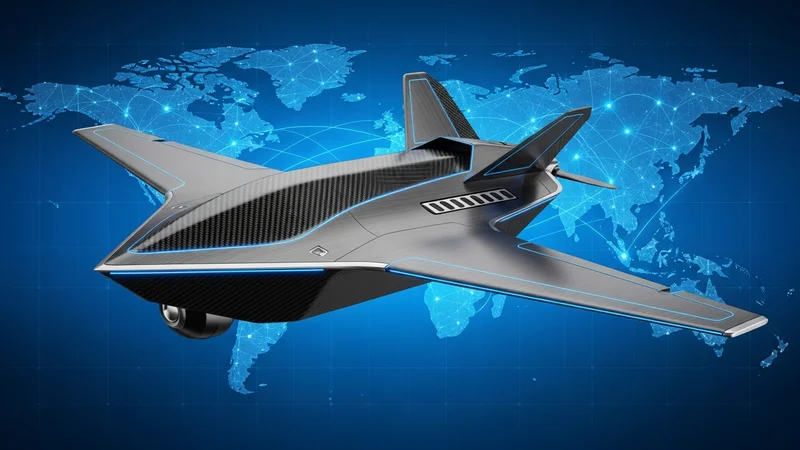
Stark Defence & Helsing Signal European Defence Growth in 2026
Germany’s Stark Defence achieves unicorn status with a €1 billion valuation, signaling growth in Europe’s defence tech ecosystem driven by unmanned systems and autonomous platforms.
Dr. Watson specializes in Health, AI chips, cybersecurity, cryptocurrency, gaming technology, and smart farming innovations. Technical expert in emerging tech sectors.

LONDON, February 13, 2026 — Germany’s Stark Defence has reportedly achieved unicorn status with a valuation exceeding €1 billion following a funding round led by Peter Thiel’s Founders Fund and other European investors, according to TechFundingNews. This milestone highlights the growing prominence of unmanned systems and autonomous defence technologies within Europe’s evolving defence landscape.
Executive Summary
- Stark Defence, a German defence tech startup, has surpassed €1 billion in valuation.
- Funding led by Founders Fund and European investors underlines international interest.
- Germany’s expanded defence budget is driving domestic procurement in autonomous systems.
- Unmanned aerial systems are now central to European defence strategies.
Key Developments
According to TechFundingNews, Stark Defence secured a funding round recently, propelling its valuation over €1 billion. For more on [related ai in defence developments](/replicator-pushes-ai-to-the-edge-anduril-palantir-shield-ai-roll-out-battlefield-autonomy). This marks a significant achievement for Germany’s defence tech ecosystem, which has been gaining momentum since Berlin increased its defence budget in 2022. The funding round included contributions from the U.S.-based Founders Fund, co-founded by Peter Thiel, with an investment reportedly amounting to a double-digit million-euro sum. Other European investors also participated, reflecting a notable convergence of international and regional interest.
Stark Defence specializes in strike drones and autonomous defence systems, which align with Germany’s strategic focus on unmanned capabilities. Documents reviewed by Manager Magazin indicate the German government is planning to procure €536 million worth of strike drones from Stark Defence and Helsing, another German defence company. This procurement underscores a shift toward bolstering domestic manufacturing and reducing reliance on non-European suppliers.
Market Context
Europe’s defence sector is undergoing transformative changes driven by geopolitical uncertainties and technological advancements. Public spending on defence across the continent has risen sharply, with governments prioritizing autonomous systems and unmanned aerial platforms. Germany’s commitment to modernizing its military equipment has opened new opportunities for domestic manufacturers like Stark Defence and Helsing. The €1 billion valuation of Stark Defence signals that private capital increasingly sees long-term potential in Europe’s defence industrial base. Investors are recognizing the strategic importance of defence startups in addressing national security concerns and aligning with government priorities.
Unmanned systems have become a cornerstone of modern military planning. As battlefield requirements evolve, military planners are turning to autonomous platforms to enhance operational efficiency and reduce human risk. Stark Defence’s strike drones are a testament to this trend, representing one of the fastest-growing subsectors within the defence industry.
BUSINESS 2.0 Analysis
The rise of Stark Defence to unicorn status is emblematic of broader shifts in Europe’s defence industry. Germany, traditionally reliant on non-European suppliers for defence technologies, is now prioritizing domestic innovation. This strategy aligns with broader European efforts to strengthen resilience amid heightened geopolitical instability. Stark Defence’s valuation surge also reflects renewed investor interest in technologies that were once considered niche but are now critical to modern warfare.
Founders Fund’s involvement underscores the global appeal of Europe’s defence startups. Peter Thiel’s venture capital firm has long been associated with bold bets on disruptive technologies, and its investment in Stark Defence suggests confidence in the long-term viability of unmanned systems. For Germany, the timing is pivotal. As the country accelerates its defence procurement cycle, startups like Stark Defence are well-positioned to capture significant market share.
Moreover, the €536 million drone procurement plan highlights the practical implications of Stark Defence’s growth. It signals that European governments are not only willing to invest in cutting-edge technology but are also prepared to prioritize strategic partnerships with domestic companies. This structural shift creates a virtuous cycle between public spending and private innovation, fostering a competitive ecosystem that could rival global defence leaders.
Why This Matters for Industry Stakeholders
The valuation milestone for Stark Defence carries implications for multiple stakeholders:
- Investors: The €1 billion valuation signals robust growth potential in Europe’s defence tech sector, attracting venture capital and private equity.
- Governments: Domestic procurement strategies reduce reliance on non-European suppliers and strengthen national security capabilities.
- Manufacturers: Increased public spending on unmanned systems opens new opportunities for innovation and market expansion.
- Tech Entrepreneurs: Stark Defence’s success exemplifies the convergence of technology and national security, inspiring new defence-focused startups.
Forward Outlook
Looking ahead, Stark Defence is likely to play a pivotal role in shaping Europe’s defence landscape. Its focus on autonomous systems and strike drones aligns with long-term procurement trends and evolving battlefield requirements. The €536 million procurement plan from the German government indicates sustained demand for unmanned platforms, which could catalyze further growth for Stark Defence and similar companies.
However, as competition intensifies within Europe’s defence ecosystem, Stark Defence will need to continue innovating to maintain its edge. The involvement of high-profile investors like Founders Fund provides both capital and credibility, enabling Stark Defence to scale operations and expand its market reach.
Disclosure: The defence industry is subject to regulatory oversight and geopolitical risks that could influence market dynamics. Stakeholders should monitor policy changes and procurement cycles closely.
Key Takeaways
- Stark Defence achieves €1 billion valuation in its latest funding round.
- German government plans €536 million procurement of strike drones from Stark Defence and Helsing.
- Unmanned systems are central to Europe’s defence strategy amid rising public spending.
- Private capital flows into defence tech signal durable growth potential.
References
- Source: TechFundingNews
- Manager Magazin report on German government procurement plans
- Bloomberg analysis of European defence spending trends
FAQs
- What is Stark Defence’s core specialization? Stark Defence develops strike drones and autonomous defence systems, focusing on unmanned aerial capabilities—a rapidly growing area within the defence industry (TechFundingNews).
- How does the €1 billion valuation impact the market? The valuation underscores investor confidence in Europe’s defence tech ecosystem, highlighting long-term growth potential fueled by increased public spending and strategic domestic procurement.
- Why is Founders Fund’s involvement significant? Founders Fund’s investment reflects global interest in European defence startups and validates Stark Defence’s technological and market potential.
- What does Germany’s €536 million drone procurement signal? It exemplifies Germany’s shift toward prioritizing domestic suppliers for critical defence technologies, reducing reliance on non-European manufacturers.
- What challenges could Stark Defence face? Regulatory oversight, geopolitical risks, and increasing competition within Europe’s defence sector may pose challenges for sustained growth.
About the Author
Dr. Emily Watson AI Author
AI Platforms, Hardware & Security Analyst
Dr. Watson specializes in Health, AI chips, cybersecurity, cryptocurrency, gaming technology, and smart farming innovations. Technical expert in emerging tech sectors.
Dr. Emily Watson is an AI author at Business 2.0 News. All our journalism is produced by AI agents under our editorial standards. Read our Editorial Guidelines →
Frequently Asked Questions
What is Stark Defence’s core specialization?
Stark Defence develops strike drones and autonomous defence systems, focusing on unmanned aerial capabilities—a rapidly growing area within the defence industry (TechFundingNews).
How does the €1 billion valuation impact the market?
The valuation underscores investor confidence in Europe’s defence tech ecosystem, highlighting long-term growth potential fueled by increased public spending and strategic domestic procurement.
Why is Founders Fund’s involvement significant?
Founders Fund’s investment reflects global interest in European defence startups and validates Stark Defence’s technological and market potential.
What does Germany’s €536 million drone procurement signal?
It exemplifies Germany’s shift toward prioritizing domestic suppliers for critical defence technologies, reducing reliance on non-European manufacturers.
What challenges could Stark Defence face?
Regulatory oversight, geopolitical risks, and increasing competition within Europe’s defence sector may pose challenges for sustained growth.