Executive Summary
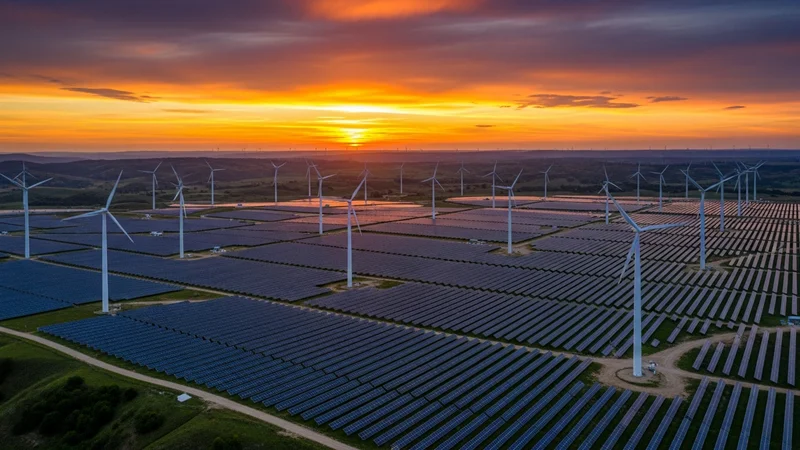
The global AI for climate and sustainability market is projected to reach $58.3 billion by 2026, with artificial intelligence becoming the critical enabler for achieving net-zero targets worldwide. Major technology companies including
Google,
Microsoft, and
Amazon are deploying AI systems that reduce emissions by 30-50% across energy, transportation, and manufacturing sectors. This comprehensive analysis covers the top 10 AI climate trends for 2026, featuring breakthrough innovations from leading research institutions and cleantech companies transforming how humanity addresses the climate crisis.
1. AI-Optimized Carbon Capture and Storage (CCS)
[https://carboncapture.com/]
Carbon Capture Inc. and
Climeworks lead AI-enhanced direct air capture (DAC) technology, using machine learning to optimize sorbent materials and capture efficiency. AI systems analyze atmospheric conditions in real-time, adjusting operations to maximize CO2 removal while minimizing energy consumption by 40%.
Occidental Petroleum's 1PointFive deploys AI monitoring across their Stratos DAC facility in Texas, the world's largest, capable of capturing 500,000 tons of CO2 annually. Neural networks predict optimal sequestration sites and monitor underground storage integrity for decades-long containment.
2. Smart Grid and Energy Distribution AI
[https://www.google.com/about/datacenters/deepmind/]
Google DeepMind reduced data center cooling energy by 40% using AI, now extending this technology to national power grids. Their algorithms predict renewable energy availability 36 hours ahead with 90% accuracy, enabling utilities to balance supply and demand without fossil fuel backup.
AutoGrid and
Stem Inc. provide AI-powered energy storage optimization for commercial and utility-scale batteries. Machine learning predicts peak demand periods and arbitrages electricity prices, reducing customer bills by 30% while stabilizing grid operations during extreme weather events.
3. Precision Agriculture and Regenerative Farming AI
[https://www.climate.com/]
The Climate Corporation (Bayer) deploys satellite imagery and AI to optimize fertilizer application, reducing nitrogen runoff by 25% and agricultural emissions by 15%. Their FieldView platform serves 150 million acres globally, providing precision recommendations that increase yields while decreasing environmental impact.
Indigo Agriculture uses AI to verify carbon sequestration in agricultural soils, enabling farmers to earn carbon credits through regenerative practices. Machine learning models analyze soil samples, satellite data, and farming practices to quantify carbon capture with scientific rigor acceptable to carbon markets.
4. Wildfire Prediction and Early Warning Systems
[https://www.weforum.org/impact/fireid/]
Google FireID uses AI-powered satellite analysis to detect wildfires within 20 minutes of ignition, providing critical early warning to emergency services. The system monitors 600 million acres across North America, having detected over 1,000 fires before traditional reporting in 2024.
Pano AI deploys camera networks with computer vision to identify smoke plumes in their earliest stages. Their systems achieve 99% accuracy in distinguishing wildfire smoke from fog, dust, and other atmospheric conditions, enabling response times 60% faster than conventional detection.
5. Climate Modeling and Weather Prediction AI
[https://www.ecmwf.int/]
DeepMind GraphCast revolutionizes weather forecasting with AI models that predict 10-day weather patterns in under a minute—1,000x faster than traditional supercomputers. The European Centre for Medium-Range Weather Forecasts (
ECMWF) integrates these models for operational forecasting worldwide.
NVIDIA Earth-2 creates digital twin simulations of Earth's climate system, enabling scientists to model climate scenarios at unprecedented resolution. The platform helps governments and businesses stress-test infrastructure against future climate conditions decades in advance.
Top 10 AI Climate Trends 2026: Complete Overview
| AI Climate Trend |
Key Players |
Emission Reduction |
Market Size 2026 |
Impact Level |
| Carbon Capture Optimization |
Climeworks, Carbon Capture Inc. |
500K+ tons/yr |
$8.2B |
Critical |
| Smart Grid Management |
Google DeepMind, AutoGrid |
30-40% |
$12.4B |
Transformative |
| Precision Agriculture |
Climate Corp, Indigo Ag |
15-25% |
$7.8B |
High |
| Wildfire Prediction |
Google FireID, Pano AI |
N/A (Prevention) |
$2.1B |
Critical |
| Climate Modeling |
NVIDIA Earth-2, ECMWF |
N/A (Prediction) |
$4.5B |
Strategic |
| Ocean Monitoring |
Saildrone, Ocean Infinity |
Tracking enabled |
$3.2B |
High |
| Supply Chain Emissions |
Watershed, Persefoni |
20-35% |
$6.7B |
Transformative |
| Building Efficiency |
BrainBox AI, Sidewalk Labs |
25-40% |
$5.8B |
High |
| EV Fleet Optimization |
Tesla, Optibus |
40-60% |
$4.1B |
High |
| Biodiversity Monitoring |
Rainforest Connection, Planet |
Conservation enabled |
$1.9B |
Critical |
6. Ocean Health and Marine Ecosystem Monitoring
[https://www.saildrone.com/]
Saildrone deploys autonomous vessels equipped with AI sensors monitoring ocean temperature, acidity, and carbon absorption. Their fleet of solar-powered drones collects climate data from remote ocean regions, providing unprecedented insights into marine carbon cycles and ecosystem health.
Ocean Infinity uses AI-powered underwater vehicles to map ocean floors and monitor marine protected areas. Computer vision systems identify illegal fishing activities and track whale migration patterns, supporting conservation efforts across international waters.
7. Supply Chain Emissions Tracking and Optimization
[https://watershed.com/]
Watershed and
Persefoni lead AI-powered carbon accounting for enterprise supply chains, automatically calculating Scope 1, 2, and 3 emissions across thousands of suppliers. Major corporations including Airbnb, Stripe, and Shopify use these platforms to identify emission hotspots and track reduction progress.
SAP Sustainability Control Tower integrates AI across enterprise resource planning systems, optimizing logistics routes and supplier selection based on carbon footprint. Companies report 20-35% supply chain emission reductions through AI-driven procurement decisions.
8. Building Energy Efficiency and Smart HVAC
[https://brainboxai.com/]
BrainBox AI deploys autonomous HVAC optimization in commercial buildings worldwide, reducing energy consumption by 25% and carbon emissions by 40%. The AI learns building thermal characteristics and occupancy patterns, pre-conditioning spaces before demand peaks while maintaining comfort.
Sidewalk Labs (Alphabet) develops district-scale energy systems using AI to optimize heating, cooling, and electricity across entire neighborhoods. Their Mesa platform coordinates renewable energy generation, storage, and demand response for maximum efficiency.
9. Electric Vehicle Fleet Management and Charging Optimization
[https://www.tesla.com/commercial]
Tesla's AI-powered fleet management optimizes charging schedules to use renewable energy peaks, reducing both costs and grid strain. Their algorithms predict vehicle usage patterns and pre-condition batteries during low-carbon electricity periods, maximizing environmental benefits.
Optibus provides AI planning software for public transit agencies transitioning to electric buses. The platform optimizes routes, schedules, and charging infrastructure to minimize fleet size while maintaining service levels, accelerating transit electrification worldwide.
10. Biodiversity Monitoring and Conservation AI
[https://rfcx.org/]
Rainforest Connection deploys AI-powered acoustic sensors that detect illegal logging and poaching in real-time. Machine learning analyzes jungle soundscapes, identifying chainsaw sounds and gunshots to alert rangers within minutes, protecting critical carbon-storing forests.
Planet Labs provides daily satellite imagery analyzed by AI to track deforestation, coral bleaching, and habitat loss globally. Conservation organizations use these insights to prioritize protection efforts and hold governments accountable for environmental commitments.
AI-Generated Infographic: AI Climate Impact 2026
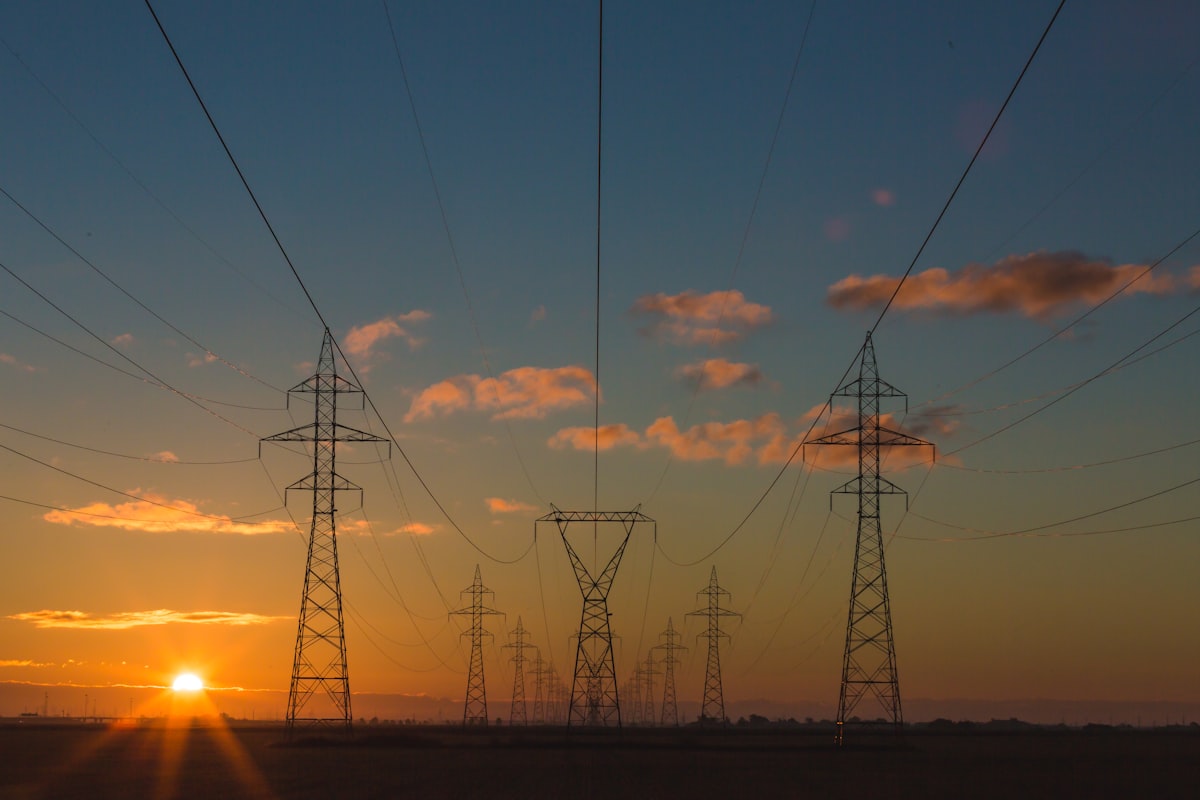
The convergence of AI, renewable energy, and environmental science is creating unprecedented capabilities for climate action. Industry analysts project that AI-driven sustainability solutions will contribute to 37% of global emissions reductions needed to achieve 2050 net-zero targets, making these technologies essential infrastructure for planetary survival.
References
1. Climeworks:
https://climeworks.com/
2. Google DeepMind Climate:
https://deepmind.google/
3. The Climate Corporation:
https://www.climate.com/
4. Pano AI:
https://www.pano.ai/
5. NVIDIA Earth-2:
https://www.nvidia.com/earth-2/
6. Saildrone:
https://www.saildrone.com/
7. Watershed:
https://watershed.com/
8. BrainBox AI:
https://brainboxai.com/
9. Tesla:
https://www.tesla.com/
10. Rainforest Connection:
https://rfcx.org/
11. World Economic Forum AI for Climate:
https://www.weforum.org/
12. IPCC Climate Reports:
https://www.ipcc.ch/