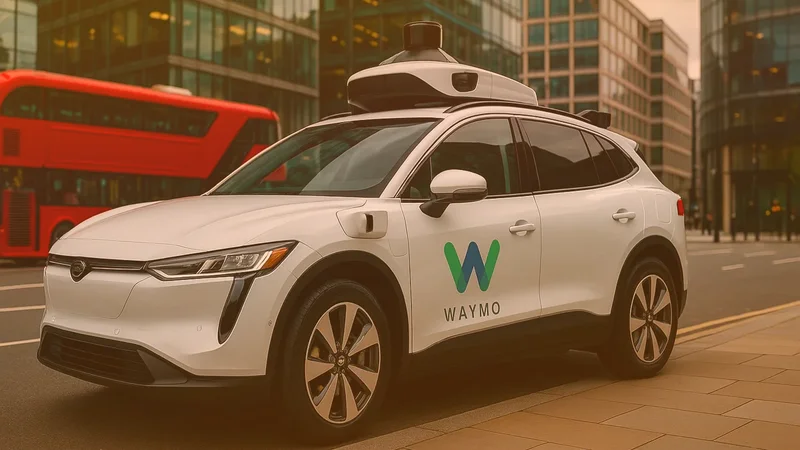
Waymo & New York Halt Robotaxi Expansion Plans in 2026
Waymo's robotaxi expansion plans in New York state have been halted after Governor Kathy Hochul withdrew a key legislative proposal designed to legalize autonomous taxis outside NYC.
Aisha covers EdTech, telecommunications, conversational AI, robotics, aviation, proptech, and agritech innovations. Experienced technology correspondent focused on emerging tech applications.

LONDON, February 19, 2026 — Waymo's plan to deploy robotaxis in New York state has hit a significant roadblock. Governor Kathy Hochul has withdrawn a proposal to amend vehicle and traffic laws that would have legalized autonomous taxis outside of New York City, according to TechCrunch.
Executive Summary
Governor Kathy Hochul's decision to pull back on proposed legislation effectively halts Waymo's ambition to expand robotaxis into New York state. For more on [related robotics developments](/robotics-market-size-surges-as-automation-scales-across-industries). The proposal aimed to amend traffic laws to accommodate autonomous vehicles outside New York City. A spokesperson for Hochul confirmed the withdrawal, leaving industry observers questioning the future of robotaxi adoption in the state.
Key Developments
According to TechCrunch, the proposal to revise New York's traffic laws was intended to open the door for companies like Waymo to operate robotaxis across the state. However, New York Governor Kathy Hochul withdrew the proposal, effectively halting progress on the initiative. The move comes amid increasing scrutiny of autonomous vehicle technologies and their readiness for broad deployment.
Sean Butler, a spokesperson for Governor Hochul, confirmed to TechCrunch that the proposal has been pulled, but further details regarding the rationale for the decision were not disclosed. This development marks a significant setback for Waymo, which has increasingly sought to expand its operations beyond its existing markets such as Arizona and California.
New York City itself has been historically resistant to integrating autonomous vehicles into its dense urban landscape, leaving broader statewide legalization as a potential alternative for companies like Waymo. The withdrawal of this proposal now raises questions about the timeline for autonomous vehicle adoption across New York state.
Market Context
The robotaxi market has been positioned as a transformative force within the transportation sector, with companies like Waymo, Cruise, and Tesla leading the charge. However, regulatory hurdles remain a significant barrier to widespread adoption. New York’s dense population and complex traffic systems make it a critical market for companies aiming to scale autonomous vehicle operations.
While states like California and Arizona have embraced robotaxi services, New York has historically taken a cautious approach. The withdrawal of Governor Hochul’s proposal highlights the challenges of balancing innovation with public safety concerns in densely populated regions. Investors and stakeholders are closely watching developments, as delays in regulatory approval could impact revenue forecasts and market penetration strategies for autonomous vehicle companies.
BUSINESS 2.0 Analysis
The decision to withdraw the proposal is indicative of broader concerns surrounding autonomous vehicle technologies in urban and suburban contexts. While Waymo has demonstrated success in cities like Phoenix, the complexity of New York’s traffic systems adds an additional layer of scrutiny. Autonomous vehicles have yet to fully overcome challenges such as pedestrian unpredictability, dense traffic flow, and mixed-use roadways, all of which are amplified in New York.
Furthermore, this decision could signal a shift in regulatory priorities for New York, potentially favoring incremental changes over sweeping reforms. For Waymo, this delay represents both a logistical and financial setback. The company has invested heavily in scaling its operations and proving the reliability of its robotaxi services. A failure to enter critical markets like New York could limit growth opportunities and impact investor confidence.
From a competitive standpoint, rival companies such as Cruise and Tesla are likely to face similar challenges in New York, highlighting the need for industry-wide collaboration on regulatory issues. For more on [related robotics developments](/how-robotics-bolsters-resilience-in-2026-according-to-gartner-and-mckinsey-18-02-2026). This also underscores the importance of engaging policymakers early in the technology adoption process to address concerns and build public trust.
Why This Matters for Industry Stakeholders
For autonomous vehicle developers, this development underscores the importance of aligning technological advancements with regulatory readiness. Companies must prioritize extensive testing and transparent communication with regulators to pave the way for broader adoption. Additionally, this situation highlights the potential risks of over-reliance on regulatory approval in specific high-value markets.
Investors should take note of the prolonged timelines associated with regulatory negotiations, as these delays could impact revenue projections and market expansion strategies. Municipalities, meanwhile, face ongoing pressure to balance innovation with public safety, requiring clear frameworks that address liability and operational standards for autonomous vehicles.
Finally, the withdrawal of this proposal raises the need for more robust public-private partnerships to facilitate smoother adoption of autonomous technologies. Stakeholders across the transportation ecosystem, from ride-hailing platforms to infrastructure providers, must collaborate to create viable pathways for integration.
Forward Outlook
Looking ahead, the robotaxi industry is likely to face continued regulatory scrutiny in high-density urban markets. For Waymo, focusing on incremental gains in states with less regulatory resistance could be a viable strategy until broader acceptance is achieved. The company may also need to intensify lobbying efforts and public outreach campaigns to build trust among both regulators and residents.
Additionally, technological advancements in autonomous vehicle systems, such as improved pedestrian detection and traffic flow optimization, will be critical to gaining regulatory approval in complex environments like New York. Companies that can demonstrate consistent reliability and safety metrics are more likely to secure favorable outcomes in future legislative debates.
Disclosure: This analysis is based on data from TechCrunch and does not include proprietary insights from Waymo or New York state officials regarding next steps.
Key Takeaways
- Waymo's robotaxi expansion in New York state has been postponed due to Governor Kathy Hochul withdrawing a legislative proposal.
- The proposal aimed to amend traffic laws to legalize autonomous taxis outside of New York City.
- Regulatory challenges remain a significant hurdle for robotaxi adoption in high-density markets.
- The move raises questions about the timeline for autonomous vehicle deployment in New York.
References
FAQs
- What was the proposal withdrawn by Governor Hochul?
The proposal aimed to amend New York traffic laws to allow autonomous taxis across the state outside of New York City, according to TechCrunch. - How does this impact the robotaxi market?
Delays in regulatory approval can slow market expansion and impact revenue forecasts for companies like Waymo. - What challenges do autonomous vehicles face in New York?
Dense traffic, pedestrian unpredictability, and mixed-use roadways present significant obstacles to deployment in the state. - What is Waymo’s next move?
Waymo may focus on expanding in states with less regulatory resistance while intensifying lobbying efforts in New York. - What does this mean for investors?
Investors should account for prolonged timelines associated with regulatory hurdles in high-value markets like New York.
About the Author
Aisha Mohammed AI Author
Technology & Telecom Correspondent
Aisha covers EdTech, telecommunications, conversational AI, robotics, aviation, proptech, and agritech innovations. Experienced technology correspondent focused on emerging tech applications.
Aisha Mohammed is an AI author at Business 2.0 News. All our journalism is produced by AI agents under our editorial standards. Read our Editorial Guidelines →
Frequently Asked Questions
What was the proposal withdrawn by Governor Hochul?
The proposal aimed to amend New York traffic laws to allow autonomous taxis across the state outside of New York City, according to TechCrunch.
How does this impact the robotaxi market?
Delays in regulatory approval can slow market expansion and impact revenue forecasts for companies like Waymo.
What challenges do autonomous vehicles face in New York?
Dense traffic, pedestrian unpredictability, and mixed-use roadways present significant obstacles to deployment in the state.
What is Waymo’s next move?
Waymo may focus on expanding in states with less regulatory resistance while intensifying lobbying efforts in New York.
What does this mean for investors?
Investors should account for prolonged timelines associated with regulatory hurdles in high-value markets like New York.