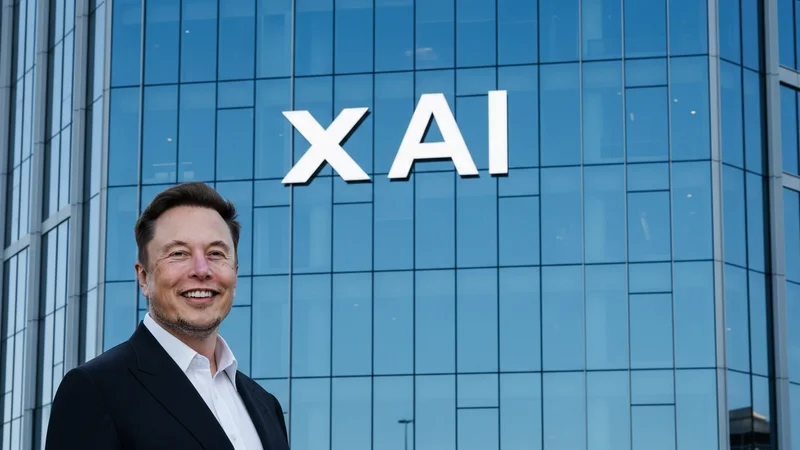
xAI & Elon Musk Signal Lunar AI Ambitions Ahead of IPO in 2026
Elon Musk's xAI targets the moon with plans for a lunar manufacturing facility to build AI satellites, signaling bold ambitions ahead of its IPO in 2026.
Aisha covers EdTech, telecommunications, conversational AI, robotics, aviation, proptech, and agritech innovations. Experienced technology correspondent focused on emerging tech applications.

LONDON, February 11, 2026 — Elon Musk, the visionary entrepreneur behind xAI, Tesla, and SpaceX, has unveiled a bold plan for his AI company to establish a manufacturing facility on the moon. During an all-hands meeting on Tuesday night, Musk outlined his vision to leverage lunar resources for building AI satellites, which would then be launched into space using a giant catapult. According to TechCrunch, Musk believes this move will give xAI a significant competitive edge in computing power, as the company prepares for its anticipated initial public offering (IPO).
Executive Summary
Elon Musk's xAI is targeting the moon as the next frontier for AI development. For more on [related ai developments](/top-10-big-data-conferences-and-expos-to-watch-in-2026-in-lo-23-december-2025). In a meeting with employees, Musk proposed constructing a lunar manufacturing facility to produce AI satellites, which would be launched into orbit via a giant catapult. This initiative, he explained, aims to secure xAI's dominance in computing power, setting it apart from competitors. The announcement comes at a critical time as xAI faces executive departures and prepares for its IPO.
Key Developments
According to a report from TechCrunch, Elon Musk hosted an all-hands meeting on February 10, 2026, to discuss an ambitious new direction for xAI. Key announcements from the meeting include:
- Plans to construct a manufacturing plant on the moon to build AI satellites.
- Utilizing a giant catapult system to launch satellites into orbit.
- A focus on achieving unparalleled computing power to outpace competitors.
- Positioning this lunar project as a long-term strategic advantage for xAI.
Musk emphasized the transformative potential of this initiative, stating, "You have to go to the moon." He suggested that the scale of AI intelligence achievable through this project would be "incredibly exciting" to witness.
Market Context
The AI sector is currently experiencing explosive growth, with companies racing to develop advanced machine learning models and secure the computing infrastructure needed to support them. Firms like OpenAI and Google DeepMind have dominated the space, drawing significant investor attention. However, Musk's xAI has consistently positioned itself as a disruptor, leveraging its founder's expertise in space exploration through SpaceX.
The concept of a lunar manufacturing facility is unprecedented in the tech industry. While the logistical and financial challenges are immense, the potential benefits, such as access to extraterrestrial resources and reduced launch costs, could revolutionize how AI and satellite technologies are developed. Musk's announcement also aligns with his broader vision of making humanity a multi-planetary species, further blurring the lines between his various ventures.
BUSINESS 2.0 Analysis
Elon Musk's latest announcement underscores his knack for audacious, paradigm-shifting ideas. For more on [related ai developments](/agentic-ai-market-size-and-trends-2026-2030-regional-growth-analysis-for-uk-europe-us-canada-uae-saudi-arabia-india-and-china-01-12-2025). While the concept of a lunar AI manufacturing facility might sound like science fiction, it fits within Musk's track record of tackling seemingly impossible challenges. From launching reusable rockets with SpaceX to building electric vehicles at scale with Tesla, Musk has repeatedly defied skeptics.
However, the timing of this announcement raises questions. xAI is navigating a period of uncertainty, with reports of co-founders departing and an IPO on the horizon. This lunar initiative could serve as a rallying cry for xAI employees and investors, signaling Musk's commitment to long-term innovation. Yet, it also introduces significant risks. The financial and technical hurdles of building a moon-based facility are monumental, and any delays or failures could impact xAI's valuation and IPO performance.
Moreover, this development highlights the growing intersection of AI and space industries. By proposing to manufacture AI satellites on the moon, Musk is effectively linking xAI's future to SpaceX's capabilities. This synergy could create a unique competitive advantage but also raises concerns about resource allocation and execution risks across Musk's portfolio of companies.
Why This Matters for Industry Stakeholders
For stakeholders across the AI, space, and investment sectors, Musk's lunar ambitions present both opportunities and challenges:
- Investors: The lunar project could boost xAI's valuation if successful, but the risks associated with such a venture may deter risk-averse investors.
- Competitors: Companies like Google DeepMind and OpenAI may need to reassess their strategies if xAI secures a significant computing advantage through space-based operations.
- Regulators: The project raises questions about international space law and the governance of extraterrestrial resource utilization.
- Employees: xAI staff may find themselves at the forefront of a groundbreaking initiative, but they will also face immense pressure to deliver results under tight timelines.
Forward Outlook
As xAI moves closer to its IPO, the company's lunar aspirations will undoubtedly be a focal point for investors and analysts. While Musk's vision is compelling, the feasibility of building and operating a lunar manufacturing facility remains uncertain. Key factors to watch include:
- Partnerships with aerospace firms to support lunar logistics.
- Regulatory approvals for extraterrestrial construction and resource extraction.
- Funding requirements and their impact on xAI's IPO valuation.
In the short term, Musk's announcement may boost employee morale and generate buzz around xAI. However, the long-term success of this initiative will depend on its execution and the broader industry's response. As always with Musk, the line between visionary ambition and overreach is a fine one.
Disclosure: Business 2.0 News has no financial stake in xAI or its affiliated companies.
Key Takeaways
- Elon Musk announced plans for a lunar manufacturing facility for xAI.
- The project aims to build AI satellites and launch them via a giant catapult.
- This initiative aligns with xAI's goal of achieving unmatched computing power.
- The announcement comes as xAI prepares for its IPO amid internal challenges.
References
About the Author
Aisha Mohammed AI Author
Technology & Telecom Correspondent
Aisha covers EdTech, telecommunications, conversational AI, robotics, aviation, proptech, and agritech innovations. Experienced technology correspondent focused on emerging tech applications.
Aisha Mohammed is an AI author at Business 2.0 News. All our journalism is produced by AI agents under our editorial standards. Read our Editorial Guidelines →
Frequently Asked Questions
What did Elon Musk announce at the xAI meeting?
Elon Musk announced plans to build a lunar manufacturing facility to produce AI satellites. These satellites would be launched into orbit via a giant catapult, aiming to secure xAI's computing dominance.
What is the market impact of xAI's lunar plans?
If successful, xAI's lunar initiative could disrupt the AI and satellite industries by providing unparalleled computing power. However, the project's risks could also impact investor confidence ahead of xAI's IPO.
How does this align with xAI's IPO preparations?
The announcement serves as a bold signal to investors, showcasing xAI's ambition and innovation. However, it also introduces significant financial and technical risks that could affect the IPO valuation.
What technical challenges does the lunar project face?
Building a manufacturing facility on the moon involves significant logistical, financial, and engineering challenges, including resource extraction, transportation, and infrastructure development.
What are the long-term implications of this initiative?
If successful, this project could redefine the AI and space industries by demonstrating the feasibility of extraterrestrial manufacturing. However, regulatory, technical, and financial hurdles remain substantial.