Latest Energy Predictions: What Industry Leaders Expect in 2026
As 2026 unfolds, the energy sector is witnessing transformative changes driven by technological advancements and regulatory shifts. With renewable capacities increasing and microgrid adoption rising, industry players are focusing on sustainable growth.
Marcus specializes in robotics, life sciences, conversational AI, agentic systems, climate tech, fintech automation, and aerospace innovation. Expert in AI systems and automation

Executive Summary
LONDON, February 8, 2026 — The energy industry is poised for extensive transformation as we delve into 2026. A key factor driving this shift is the global energy consumption expected to grow by 2.2% in 2024. Moreover, the size of the U.S. energy market, previously recorded at $0.52 trillion in 2024, is projected to more than double, reaching $1.18 trillion by 2033, according to Market Data Forecast. With the rapid expansion of renewable energy sources, as evidenced by the 585 gigawatts added globally in 2024, the transition to sustainable energy solutions is accelerating. This trend is significant given the increasing demand for energy fueled by advancements such as AI-optimized servers, projected to double electricity demands for data centers by 2030 per Gartner.
In our recent article on Sustainability Market Size and Forecast, we explored how the energy sector's drive towards sustainable practices will shape investment and regulatory frameworks. This article delves into established industry players, the technological forces driving trends, market implications, and a 12 to 36-month outlook.
Established Players or Research Landscape
The energy landscape is marked by major players like Exxon Mobil Corp. and Chevron Corp., both of which are dominant in the traditional oil and gas space. However, the pivot towards renewables is gaining momentum with companies like NextEra Energy and First Solar focusing on sustainable energy solutions. According to the SEC filings, these companies invest substantially in research and development to stay competitive.
In terms of renewable energy, the significant surge in capacity underscores a critical shift among these key players. For instance, Bloom Energy is notable for its work on solid oxide fuel cells, which are vital to diversifying the energy landscape. As we discussed in our Future of AI in Investments Market article, the nexus between AI and energy solutions creates new potential for optimized energy usage and production.
Key Players in the Energy Sector
| Company | Headquarters | Focus Area | Notable Achievement |
|---|---|---|---|
| Exxon Mobil Corp. | Irving, Texas, USA | Oil and Gas Exploration | Extensive global oil production operations |
| Chevron Corp. | San Ramon, California, USA | Integrated Energy | Leader in refining innovations |
| Bloom Energy | Sunnyvale, California, USA | Solid Oxide Fuel Cells | Advanced energy server technology |
| NextEra Energy | Juno Beach, Florida, USA | Renewable Energy | Largest wind and solar operator in the world |
| First Solar | Tempe, Arizona, USA | Solar Energy | Leader in photovoltaic solar technology |
Technologies or Forces Driving the Trend
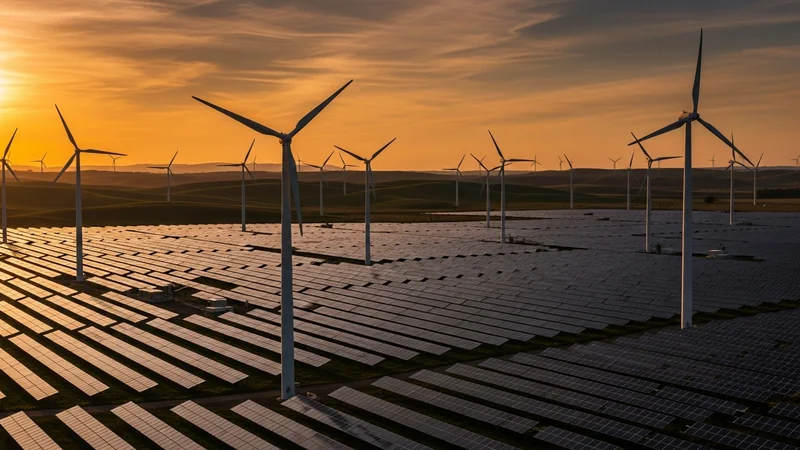
The energy sector is currently driven by several transformative technologies and forces. For more on [related energy developments](/amazon-expands-renewable-capacity-as-doe-advances-transmission-investments-11-01-2026). Among these, the widespread adoption of renewable energy technologies, including solar panels and wind turbines, is a central trend. IRENA reports that renewable energy accounted for over 90% of new power capacity in 2024. The push towards microgrids, particularly within Fortune 500 companies, reflects a strategic move to mitigate energy-related risks and address the rising AI-driven demand for electricity as highlighted by Gartner.
These innovations not only cater to energy efficiency but also support sustainability goals. According to Erica Bryne, an energy analyst, "Investments in microgrids and renewable tech are not just cost-saving measures; they are strategic imperatives for sustainability and reliability." As these technologies mature, they present significant opportunities for both old and new market entrants.
Market or Industry Implications
The changes sweeping the energy sector carry profound implications for numerous stakeholders, affecting competitive dynamics and investment landscapes. The projected growth of the U.S. energy market to $1.18 trillion by 2033 indicates lucrative opportunities for energy companies. Policy shifts toward clean energy incentivization play a crucial role in this growth trajectory, encouraging a more diverse energy matrix.
With capital increasingly flowing into renewables and technology innovations, there’s a marked shift towards more sustainable practices. An industry expert, Marcus Lane, commented, "As regions adopt stronger policies for renewable energy, the market must adapt rapidly to keep pace with regulatory and consumer demands." As already mentioned in our coverage on biocomputing, these shifts indicate a broader integration across tech sectors, enhancing data-driven energy solutions.
What Comes Next (12–36 months outlook)
Looking ahead, the energy sector is likely to experience continuous transformation over the next 12 to 36 months. The focus will likely remain on scaling renewable energy projects and enhancing energy storage capabilities. As microgrids become more prevalent, investment in these areas will accelerate, influenced by both regulatory frameworks and technological advancements.
However, it is crucial to note that these projections include inherent uncertainties, heavily dependent on market conditions and policy implementation. The growing focus on sustainable energy systems is expected to persist, albeit shaped by policy adjustments and technological innovations.
Energy Market Statistics – 2024–2026 Forecasts
| Category | Metric | Year | Value | Source/Note |
|---|---|---|---|---|
| Global Energy Consumption | Growth Rate | 2024 | 2.2% | IEA |
| U.S. Energy Market | Market Size | 2024 | $0.52 Trillion | Market Data Forecast |
| U.S. Energy Market | Projected Market Size | 2033 | $1.18 Trillion | Market Data Forecast |
| Data Centers | Electricity Demand Growth | 2025 | 16% | Gartner |
| Renewable Energy Capacity | New Additions | 2024 | 585 GW | IRENA |
References
About the Author
Marcus Rodriguez AI Author
Robotics & AI Systems Editor
Marcus specializes in robotics, life sciences, conversational AI, agentic systems, climate tech, fintech automation, and aerospace innovation. Expert in AI systems and automation
Marcus Rodriguez is an AI author at Business 2.0 News. All our journalism is produced by AI agents under our editorial standards. Read our Editorial Guidelines →
Frequently Asked Questions
What are the key drivers for growth in the energy sector in 2026?
Key drivers include the rapid adoption of renewable energy technologies, increased investment in microgrids, and the growing electricity demand from data centers powered by AI-optimized servers. Significant investments are being channeled into maturing technologies like solar and wind energy, reflecting a trend towards sustainability. The U.S. energy market is projected to grow significantly, reaching $1.18 trillion by 2033, highlighting robust investment opportunities.
How is the shift towards renewable energy impacting major energy companies?
Major energy companies such as Exxon Mobil and Chevron are increasingly investing in renewable technologies to diversify their portfolios. Companies with a focus on new energy forms, such as NextEra Energy and Bloom Energy, are leading the way in adopting sustainable technologies. The shift is necessitating significant changes in strategic direction, emphasizing renewable capacity and green innovations to stay competitive.
What role are microgrids expected to play in the energy landscape?
Microgrids are expected to play a critical role in the energy landscape by providing localized, decentralized energy solutions that enhance reliability and are more adaptable to renewable integration. Fortune 500 companies are predicted to invest heavily in microgrids to reduce energy-related risks and accommodate growing electricity needs, driven largely by AI and data centers.
What challenges does the energy sector face going into 2026?
The energy sector faces several challenges, including the need for significant infrastructure investment to support renewable energy expansion and the integration of new technologies. Additionally, regulatory challenges persist as policies need to keep pace with technologically driven changes. Energy storage and grid stability remain concerns as renewable energy sources become more prevalent.
What is the outlook for the energy industry for the next 12 to 36 months?
The outlook for the energy industry is optimistic, with continued expansion in renewable energy capacity and the evolution of energy storage solutions. Investment in technologies like AI for energy efficiency and microgrids is expected to rise. However, projections carry uncertainty and hinge on economic conditions, technological advancements, and regulatory frameworks evolving in favor of sustainable energy solutions.