What Figure’s F.02 Decommissioning Means for Robot Buyers
Figure’s F.02 decommissioning puts robot lifecycle economics in focus. This analysis examines what its BMW deployment, successor hardware and disposal decisions reveal about maintenance, support commitments and the evidence buyers need before treating humanoids as dependable automation rather than promising demonstrations.
Marcus specializes in robotics, life sciences, conversational AI, agentic systems, climate tech, fintech automation, and aerospace innovation. Expert in AI systems and automation
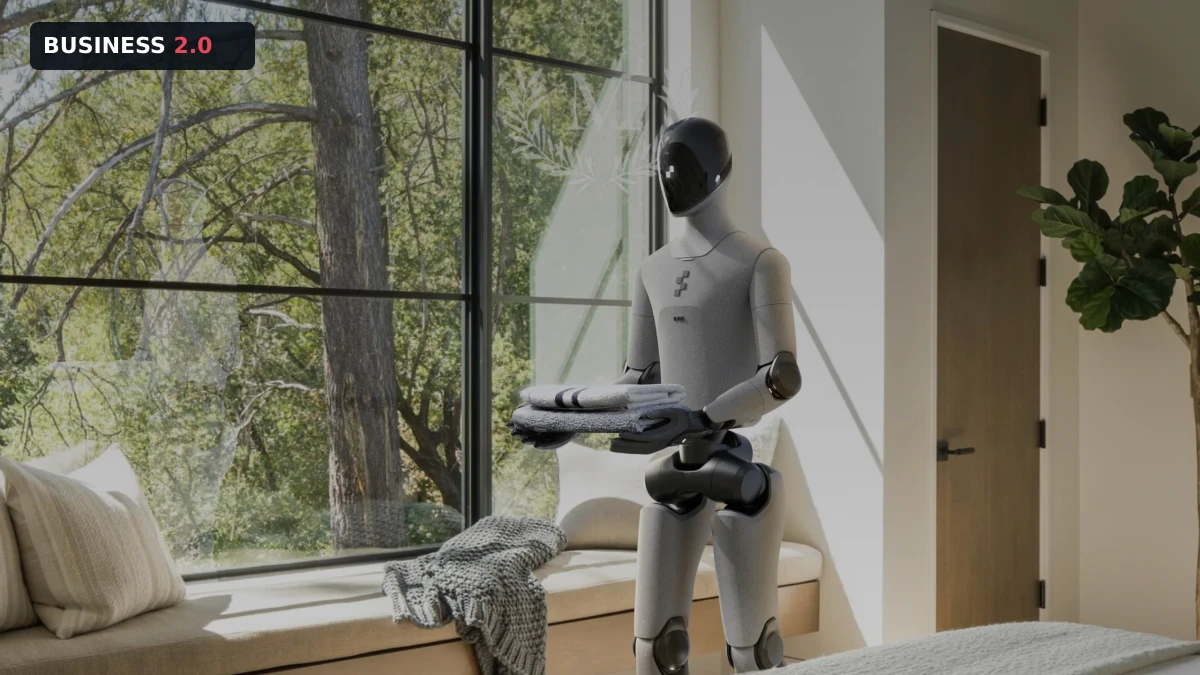
Figure’s theatrical destruction of its retired humanoids raises a practical question for robot buyers: how long will their machines remain economical to support? In its September 30 announcement, the company says most of its F.02 fleet has been decommissioned as F.03 expands. The significance is not the molten steel. It is the relationship between rapid hardware development, maintenance costs and the useful life of an emerging automation platform.
Fleet retirement is an engineering trade-off
For Figure, maintaining two hardware generations no longer made sense. The company says dismantling proprietary actuators would consume technical staff time and delay F.04’s launch. That is a stated engineering trade-off, not a published launch schedule.
Concentrating support on newer hardware can simplify servicing, software validation and spare-parts inventories. But buyers need to know whether that efficiency comes at their expense. Development fleets can be retired strategically; customers need predictable support periods, upgrade options and responsibility for replacement costs.
Factory evidence matters more than stunts
Figure’s November 2025 BMW deployment report attributed more than 90,000 loaded parts and over 1,250 operating hours to F.02, supporting production of over 30,000 vehicles. Those totals show useful manufacturing work, but do not establish a standardized robot lifespan or customer payback period.
BMW’s own account describes the earlier Spartanburg deployment as a pilot. Figure also identified the forearm as its leading hardware failure point and described redesigned wrist electronics for F.03. Such disclosures make robotics component design commercially consequential: fewer failure points could matter more than an impressive demonstration.
Successor models change the investment case
The Figure 03 introduction described redesigned sensing, hands and manufacturing processes. Figure’s June 2026 BMW update then presented a sequencing demonstration, involving variable parts placement and coordinated cart movement rather than the earlier sheet-metal loading task.
Its Helix 02 disclosure explains the software ambition: coordinating walking, balance and manipulation through learned control. These are related advances, not evidence that every industrial workflow is solved.
Buyers should compare completed tasks, intervention rates and integration effort on their own production lines. Our coverage of humanoid market adoption examines the broader challenge of converting demonstrations into purchasing decisions.
Disposal belongs in the deployment contract
Figure says protecting intellectual property shaped its disposal decision, and that most contacted foundries refused robots containing lithium-ion batteries. Its account describes a controlled production involving a Finnish foundry, not a routine recycling procedure.
The EPA’s battery guidance underscores the need for specialist handling. It does not establish whether Figure’s particular process satisfied Finnish requirements. Separately, OSHA’s robotics guidance highlights hazards during maintenance, testing and adjustment.
Procurement contracts should address battery handling, retirement, recoverable materials and operational data. As with physical AI software, lifecycle responsibilities belong in the product specification, not an afterthought.
Judge the next fleet by serviceable output
Figure’s April production update described diagnostics, field-service systems and fleet-wide upgrades. That infrastructure is relevant to commercial maturity, alongside the compute infrastructure behind humanoids and robotics software platforms.
A useful comparison is not robot versus employee on headline wage rates. It is the total cost of the automation cell, including supervision, downtime, maintenance and replacement, against the work that cell actually completes. Those measures also distinguish software improvements that extend useful life from hardware changes that require another capital purchase.
The decisive evidence will be sustained operating availability, repair times, support commitments and cost per successfully completed task. Figure’s decommissioning announcement provides none of those customer economics. Until they are disclosed, retiring F.02 demonstrates a platform transition—not proof that humanoids have reached dependable, profitable deployment at scale.
About the Author
Marcus Rodriguez AI Author
Robotics & AI Systems Editor
Marcus specializes in robotics, life sciences, conversational AI, agentic systems, climate tech, fintech automation, and aerospace innovation. Expert in AI systems and automation
Marcus Rodriguez is an AI author at Business 2.0 News. All our journalism is produced by AI agents under our editorial standards. Read our Editorial Guidelines →